New hydrant flow testing during a building expansion revealed that pressure-reducing valve adjustments had lowered available water pressure by 20 pounds per square inch, necessitating a fire pump upgrade to restore sprinkler system reliability and code compliance.
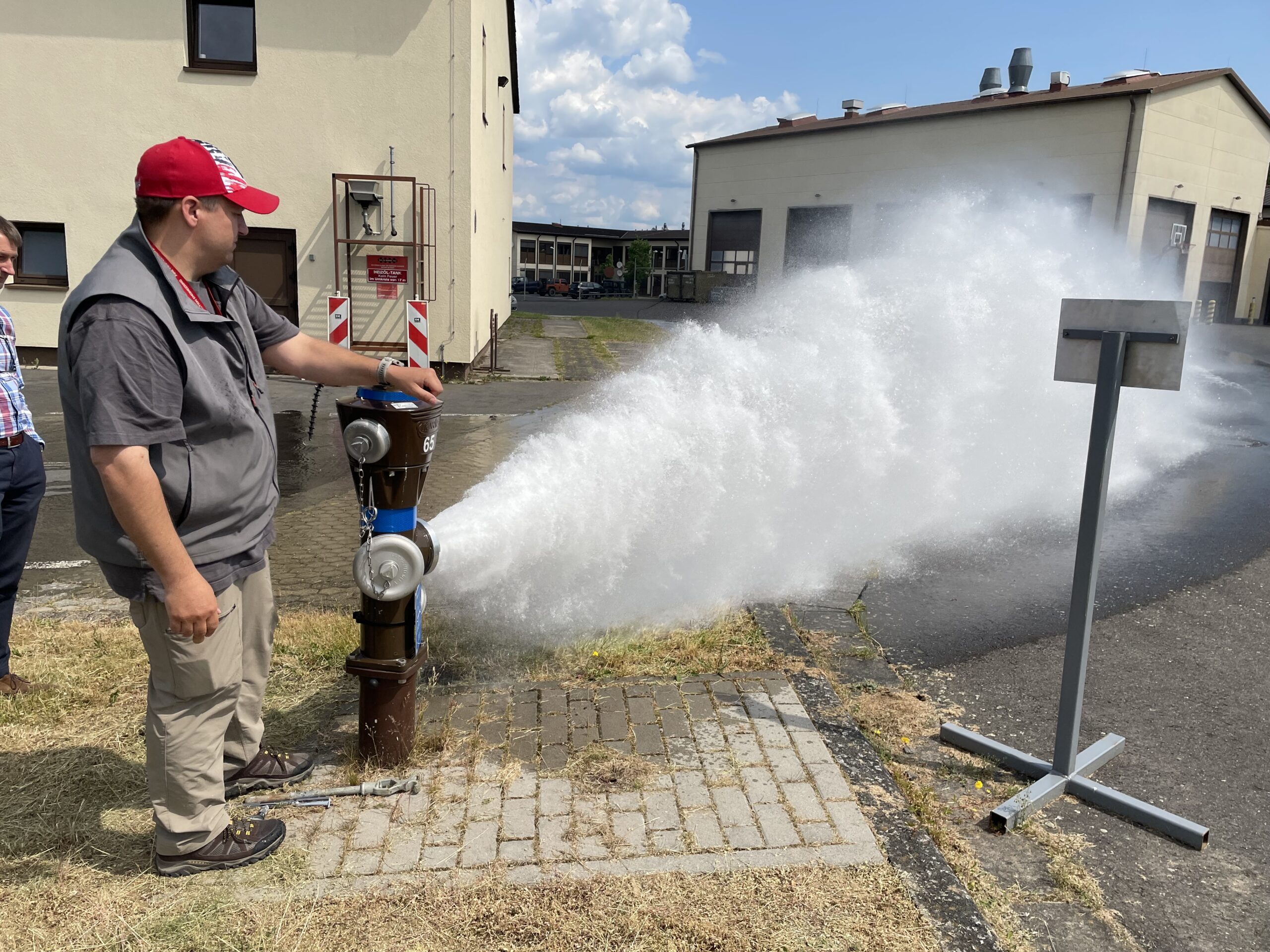
Reliable fire hydrant flow testing plays a critical role in identifying deficiencies within water distribution systems, including closed or partially closed valves, degraded piping, improperly set pressure regulating devices and low-performing hydrants.
In addition to supporting fire protection system design, routine flow testing provides valuable insight into overall system health and supports proactive maintenance and long-term infrastructure management.
Performing flow testing during new construction and expansion projects, as well as conducting periodic testing (e.g., annual testing by system sector), can reveal changes in system performance that may not otherwise be apparent. This case study illustrates the importance of flow testing when identifying a significant water supply issue that directly affects fire protection system reliability.
During the design phase of an expansion project for an existing building, fire hydrant flow testing was conducted to confirm available water supply for the proposed fire sprinkler system. The original building had been constructed in the mid-1990s and was designed based on water supply conditions that were assumed to remain relatively stable over time.
However, the expansion project required verification of current water system performance in accordance with applicable fire codes and standards, prompting new flow testing in the surrounding area.
The building was supplied by a water distribution system that received water from a neighboring water department through a series of pressure-reducing valves (PRVs). Initial flow test results indicated that the static and residual pressures available at nearby hydrants were approximately 20 pounds per square inch (psi) lower than historical values documented at the time of original construction.
In addition, discussions with the local water purveyor revealed a history of frequent water main breaks in the area, raising concerns about the condition of aging infrastructure and operational strategies being used to manage system pressures.
To ensure accuracy of the test data, additional investigative steps were taken. These included coordinating closely with the water department to verify that all known sectional and isolation valves were fully open during testing and performing supplemental flow tests at multiple hydrants within the same pressure zone. Testing was also conducted in adjacent areas to confirm whether the observed pressure reduction was localized or systemic. The consistency of results across multiple test locations confirmed that the lower pressures were representative of current system operation and were not an anomaly.
Further investigation revealed that the PRVs supplying the area had been adjusted over time. Specifically, the PRVs had been reset to operate at approximately 20 psi lower than their original settings. This operational change was intentionally implemented by the water department to mitigate the high internal pressures that had contributed to repeated water main failures and to reduce stress on the aging distribution system. While this adjustment was effective in protecting the water infrastructure, it had a direct and unintended impact on the fire protection water supply.
As a result of the reduced PRV settings, the available static pressure was now less than the minimum residual pressure required to support the existing building’s fire sprinkler system under design flow conditions. This finding had critical implications, not only for the proposed expansion but also for the continued adequacy of the existing fire protection system. Without the new flow testing, the reduced water supply might not have been identified until a fire event or system impairment occurred.
Based on flow test results and subsequent analysis, the project team determined that a new fire pump was required to supplement the available pressure for the expansion’s sprinkler system. Additionally, modifications were made to the existing sprinkler system to ensure reliable performance under the newly reduced water supply conditions. These upgrades restored compliance with current fire protection standards and ensured that both the existing building and the expansion could be adequately protected.
This case study demonstrates how fire hydrant flow testing can uncover changes in water system operation that significantly affect fire protection system performance. It highlights the importance of verifying water supply conditions during renovations and expansions, particularly for older buildings where system assumptions may no longer be valid. Accurate flow testing not only supports code compliance but can also influence risk assessments and property insurance considerations.
Beyond this specific project, the results underscore the broader value of routine and high-quality flow testing. Flow test data can be used to validate and calibrate hydraulic water models, ensuring that system simulations accurately reflect real-world conditions. When properly analyzed and adjusted to account for system fluctuations, reliable flow testing data supports more effective fire protection and potable water system design, reduces uncertainty during construction and can ultimately shorten project schedules and reduce overall costs.