SEARCH Archives
Loading
Sponsored by:

Fine tuning your preventive maintenance schedule

A good CMMS system can deliver the information users need to better fine-tune their PM schedules. If a less-rigorous PM schedule gets the maintenance team slapped with a corrective work order, it’s time to adjust.

Paul Lachance

11/28/2012


What comes first: corrective or preventive maintenance? Well, the industrial engineers would say “PM,” of course. But the reality of busy schedules and a reduced labor force often set in and best laid plans slip.

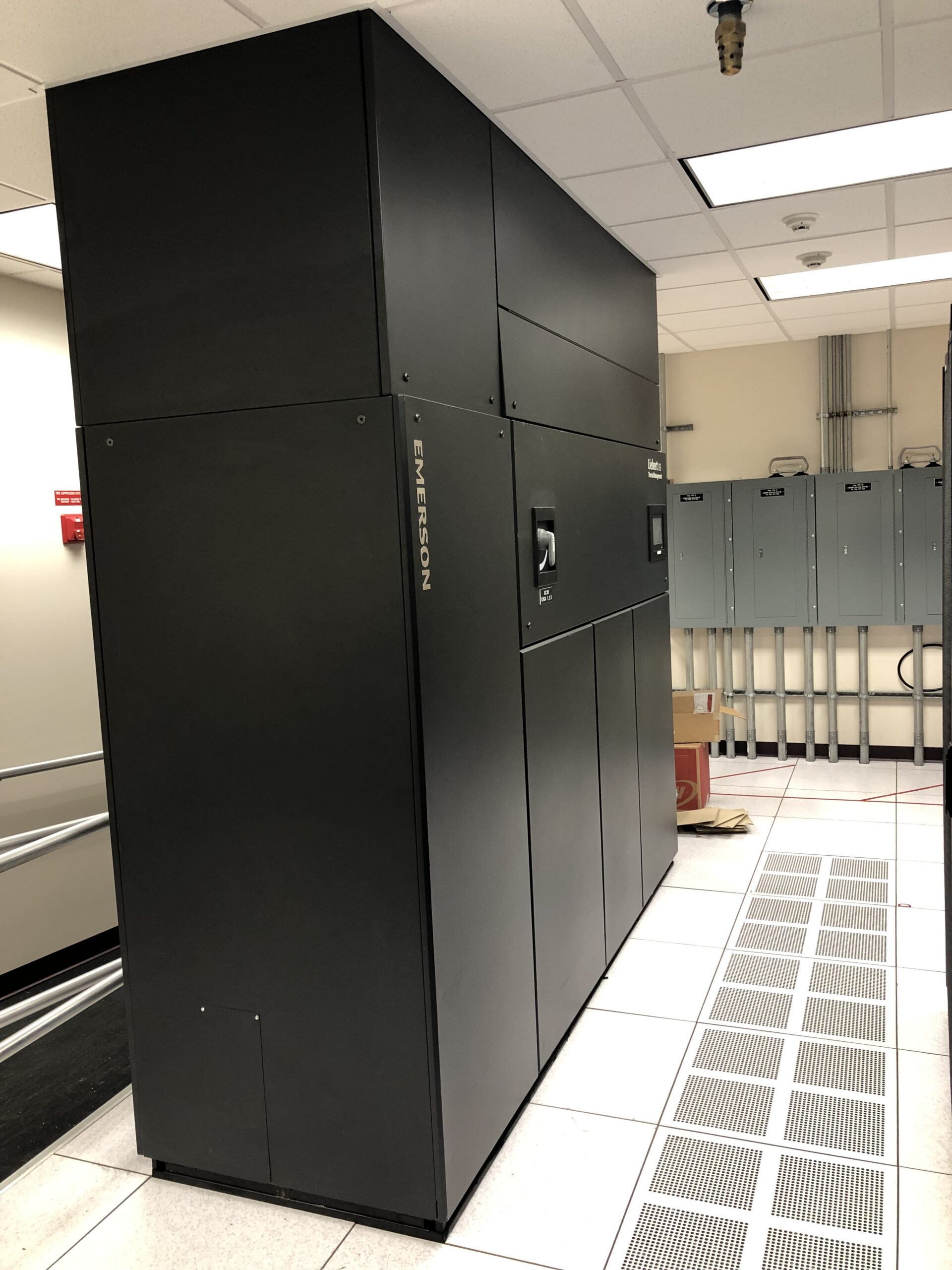
Example: Company X has older, inefficient ventilation in one of its production facilities. The HVAC breaks down frequently, is expensive to run, and finally management agrees to replace it with a brand new, more energy efficient system. Since the conversion, air quality and temperature have never been better, and the cost savings is tangible.

During installation, the manufacturer strongly advises Company X to follow a recommended maintenance plan. The maintenance supervisor asks her administrator to make sure the PM calendar is set up in the CMMS. The team is so happy to not be dealing with the older, often malfunctioning system they wonder “why bother doing anything; the system is brand new!”

PMs are dutifully set up and the automated reminders/PM work orders churn out every month. The challenge begins when the technician assigned tries to balance PM work orders on a combination of assets, including a shiny, new ventilation system and other antiquated, poorly-running systems that should be replaced.

The reality is that technicians will likely continue to “MacGyver” older systems to keep them running and the new system will be ignored since it is humming along nicely. There are just not enough hours in the day. Reality forces us to make compromises.

For example, perhaps the environment of this new system is not as harsh as, say, the average saw mill or steel plant, and maintenance staffers agree they can skip a PM or two. Not that they would delete the PMs—they would use a specialized status in the CMMS system to indicate that the PM was “skipped” due to lack of need, but continue to monitor.

Sometimes these choices have to be made. If all of a sudden the CMMS issues an actual corrective maintenance work order for this system, it indicates that the team has to get back to a more frequent schedule, but it may not need to be as frequent as the manufacturer’s recommendations.

A good CMMS system can deliver the information users need to better fine-tune their PM schedules. If a less-rigorous PM schedule gets the maintenance team slapped with a corrective work order, it’s time to adjust. Sometimes it is the other way around. If the CMMS system tells the maintenance manager ‘all is well’ with an asset, that may be a signal to shift resources to other equipment in greater need. 


No comments
Consulting-Specifying Engineer's Product of the Year (POY) contest is the premier award for new products in the HVAC, fire, electrical, and...
Consulting-Specifying Engineer magazine is dedicated to encouraging and recognizing the most talented young individuals...
The MEP Giants program lists the top mechanical, electrical, plumbing, and fire protection engineering firms in the United States.
Integrating lighting, HVAC systems, Energy codes and lighting, BIM and fire protection engineering
Engineering hospital electrical systems, Boilers and boiler systems, Building envelope best practices
Hospital indoor air quality, ASHRAE 90.1 update, Specifying piping materials, Integrated project delivery
Case Study Database

Case Study Database

Get more exposure for your case study by uploading it to the Consulting-Specifying Engineer case study database, where end-users can identify relevant solutions and explore what the experts are doing to effectively implement a variety of technology and productivity related projects.

These case studies provide examples of how knowledgeable solution providers have used technology, processes and people to create effective and successful implementations in real-world situations. Case studies can be completed by filling out a simple online form where you can outline the project title, abstract, and full story in 1500 words or less; upload photos, videos and a logo.

Click here to visit the Case Study Database and upload your case study.

Estimating data center PUE, Design tips for cost savings, Networked controls, NFPA 70E
Preventing arc flash, Backup power fuel choices, power for high-tech facilities
Using BIM in electrical power design; Closed-transition transfer; Medium-voltage distribution; Diesel emission regulations; Increasing emergency power capacity

Poll of the Week

When engineering systems in military buildings, what’s the most difficult issue you face?
Automation and controls
Codes and standards
Electrical and power
Energy efficiency, sustainability
Fire and life safety
HVAC


Click Here for Poll Archives
Sponsored by:

About Us | Contact Us | Advertise | Subscribe to Magazine | Site Map | Privacy Policy
Home | Channels | New Products | Media Library | Connect | Industry News | Events and Awards | Newsletters | Blogs | Magazine
Control Engineering | Plant Engineering | Consulting-Specifying Engineer
All content copyright © 2010-2013 CFE Media. All rights reserved.