This discussion explores how AI-driven data centers are reshaping electrical and power system design, highlighting the need for flexible infrastructure.
Electrical, power and lighting insights
- AI data centers require advanced uninterruptible power supplies and power conditioning to handle rapid load swings.
- Power constraints are driving hybrid and on-site generation for faster, more resilient deployments.
Respondents:
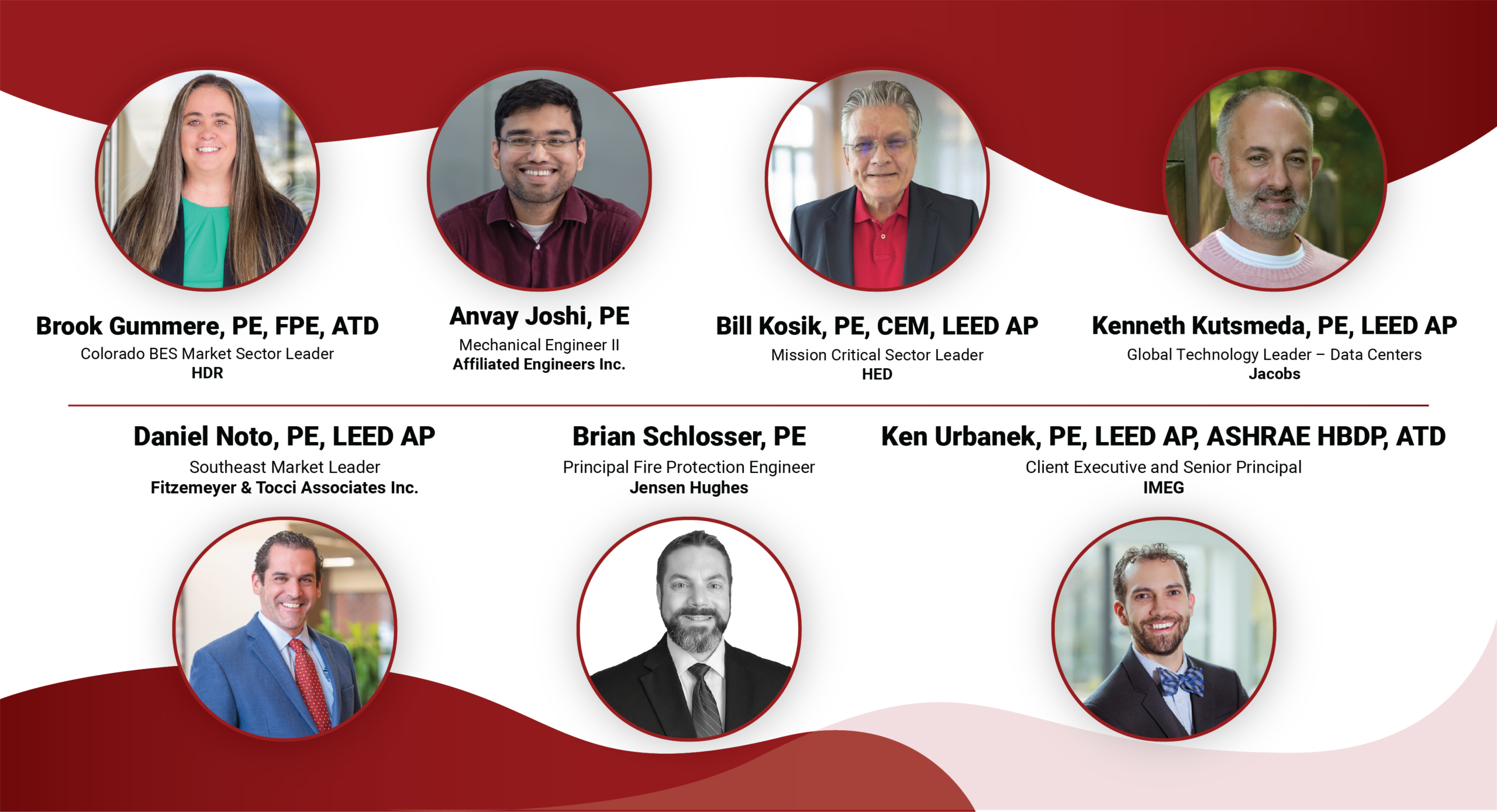
- Brook Gummere, PE, FPE, ATD, Colorado BES Market Sector Leader, HDR, Denver
- Kenneth Kutsmeda, PE, LEED AP, Global Technology Leader – Data Centers, Jacobs, Philadelphia
- Daniel Noto, PE, LEED AP, Southeast Market Leader, Fitzemeyer & Tocci Associates Inc., Alpharetta, Georgia
- Ken Urbanek, PE, LEED AP, ASHRAE HBDP, ATD, Client Executive and Senior Principal, IMEG, Denver
Are there any issues unique to designing electrical or power systems for artificial intelligence (AI) data centers?
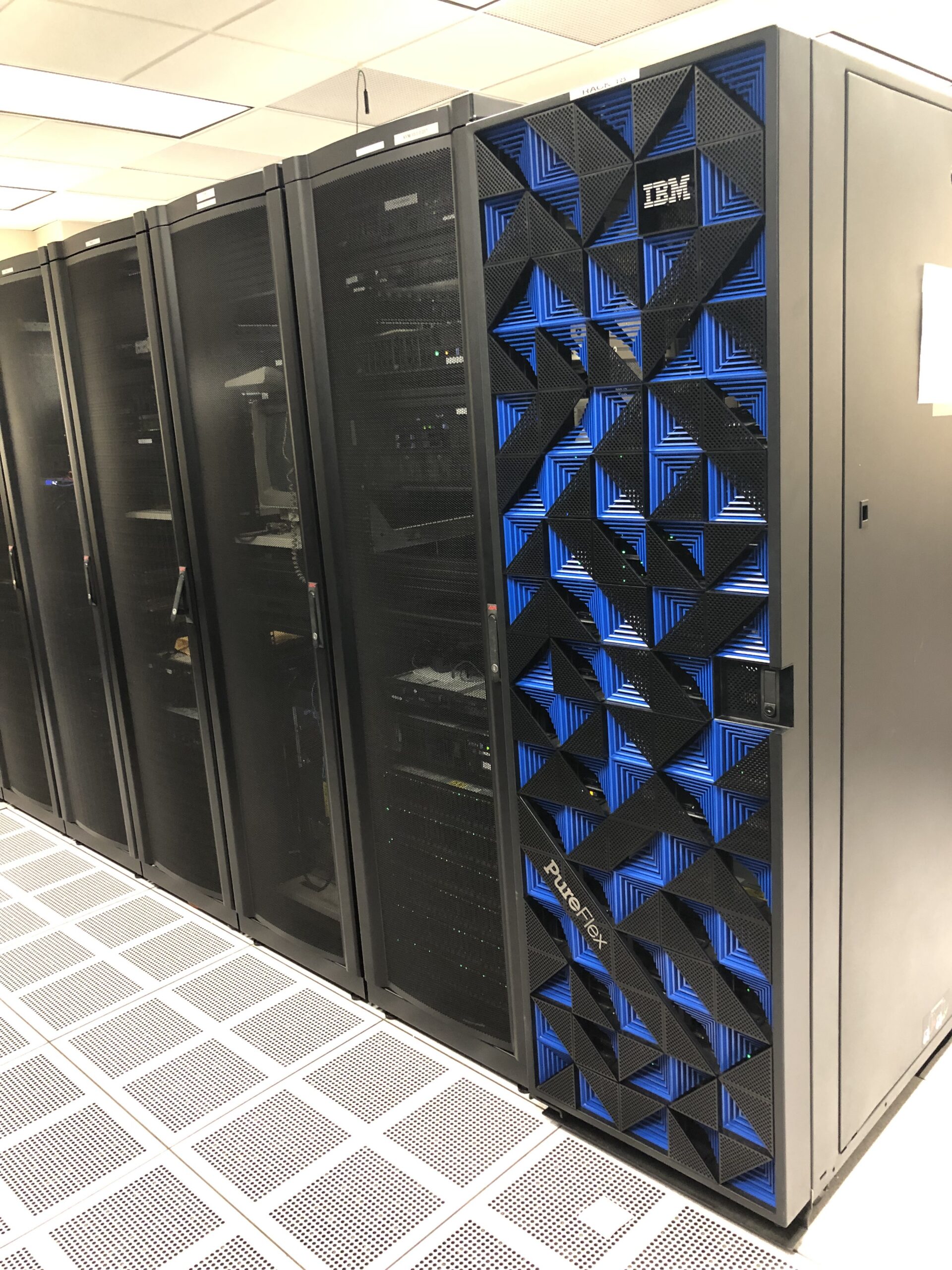
Brook Gummere: Compared to traditional data centers, the electrical systems in AI data centers can see large swings in power quality and load at the server level, greatly impacting the power systems within the data centers. All of the electrical gear must be designed with this in mind. As a result, engineers must prioritize robust power conditioning, advanced uninterruptible power supply (UPS) topologies and careful coordination of protective devices to ensure reliability under these rapidly changing conditions.
Ken Urbanek: From a large-scale infrastructure perspective it is just higher order of magnitude. The real changes are happening at the data hall distribution level — finding ways to deliver vast amounts of power to high-density racks. We are seeing new technologies in busways and connections to deliver the power very efficiently, often monitoring power usage at each unique connection of which there could be many.
What types of unusual standby, emergency or backup power systems have you specified for data centers?
Ken Urbanek: In some cases where utility power is not available, we have deployed natural-gas-driven fuel cells for power generation. This is a unique way to fast-track site deployment when local power is not available, while also providing a unique way to improve carbon emissions of traditional on-site combustion for energy generation.
How are power availability constraints, utility interconnection challenges and grid capacity limitations affecting where and how new data centers are being designed?
Kenneth Kutsmeda: Power availability and manpower constraints are pushing data center developers toward hybrid on-site generation and modular construction strategies, both of which are becoming defining trends in large-scale AI infrastructure buildouts. With limited capacity on the utility grid and long interconnection timelines, developers are increasingly deploying multisource on-site generation to bridge the gap until firm utility service becomes available.
These hybrid architectures commonly combine several technologies including fuel cells operating on natural gas or hydrogen, reciprocating engines using diesel with aftertreatment or natural gas, gas turbines for higher-capacity continuous output, photovoltaic systems and wind generation where feasible. A single piece of technology is rarely available at the scale required within project timelines.
As a result, developers are assembling mixed portfolios of generation assets, driven by equipment lead times, fuel availability, emissions constraints and the need for rapid deployment. This diversification also improves resilience and operational flexibility during the interim period before utility power is delivered.
Ken Urbanek: This is a major factor in site selection. Data centers are primarily being built where power is available. Additionally, the demand for on-site generation is increasing to control this location variable.
Brook Gummere: Power availability constraints and grid capacity limitations are increasingly shaping both the location and design strategy for new data centers. To address long utility lead-times, we are working with owners and developers to bring bridging power to sites, allowing construction and early operations to proceed while the permanent utility structure is built.
In parallel, many developers are teaming with renewable energy companies to provide renewable energy from nearby large-scale wind and solar facilities. These renewable sources are often paired with battery energy storage systems, and in some cases, natural gas turbines provide bridging power on the first day, behind-the-meter resiliency and backup power for the future.
How does your team work with the architect, owner’s representative and other project team members so the electrical/power systems are flexible and sustainable?
Daniel Noto: Knowing what is available at the beginning of the project as well as the user’s future needs are key to a successful electrical design. The goal is to optimize the user’s future capacity without spending money on capacity increases unnecessarily.
Brook Gummere: Our team partners with renewable-energy companies to provide sustainable power into our project’s power strategy. This not only supports long-term sustainability goals but also strengthens resiliency by providing backup power when the grid is constrained. Our goal is to provide onsite power during periods of peak grid demand, helping the facility maintain continuous operations while reducing the stress on the broader utility infrastructure.
Ken Urbanek: We often start with a power study to understand a given site’s potential over a period. This is often the first step in any data center masterplan.
“Resilient” or “resiliency” is a buzzword when discussing data centers. How are you designing data centers to be more resilient?
Brook Gummere: Owners are increasingly focused on resilience, and we are designing data centers to maintain full operational continuity even when external utility disruptions occur. This includes using hybrid cooling and power models that allow facilities to operate as normal despite interruptions beyond the data center fence. More clients are also exploring microgrids and on-site renewable generation to improve ride-through capability and reduce dependence on the broader grid.
While it is typical to design to tenant required Uptime Institute tier level, many clients are now also requesting statistical reliability studies to understand the number of “nines” their facility can achieve. While some applications may tolerate “availability,” others require “five nines” or higher, and our designs are increasingly tailored to these specific reliability expectations. We also take into consideration the resiliency of the overall facility due to extreme weather events. For example, high and low temperature extremes, and of course the broader impact of climate change including tornados, hurricanes and flooding.
Ken Urbanek: Localized resiliency or uptime has always been a concern with mission-critical clients and this is something we are always considering for a client’s specific needs. Broader resiliency, beyond a short-term power outage, is a more recent development. On-site power generation is certainly one way to address this concern. In unique geographic regions, redundant data center deployments can be another way to achieve this level of resiliency.
Ultimately it comes down to the owner’s goals for uptime and resiliency. It’s worth mentioning that in some AI deployments, uptime requirements may be less critical. The cost for a few hours of uptime can be very expensive and may not be required; a controlled shutdown of the UPS is one way to avoid generators, for example.
When designing lighting systems for these types of structures, what design factors are being requested? Are there any technical advantages that need to be considered?
Ken Urbanek: Within the data halls themselves, we design lighting to meet required foot-candle levels using the most energy-efficient and smallest fixtures possible, avoiding more complex coordination with electrical power and cooling systems.