I arrived at the 16th National Conference on Building Commissioning late in the evening yesterday and became immersed in passionate discussions about the state of the industry, the benefits of utility incentive programs, the potential for energy savings in the existing buildings stock versus the new construction market, the difficulties created by the pressures of schedule and finance in new construction commissioning, and that was just in the first 30 minutes.
I have been attending the conference since 1997 and always find myself looking forward to the chance to network with my peers, learn from the experience of others, and be involved in some small way in charting the course for the commissioning industry. There have been a lot of good things that have happened at these conferences for me. For one thing, its where I first met Jay Santos, whom I now have the pleasure of working for. That evolved out of a relationship that started in 1999 when Karl Stum, in a state of excitement, pulled me away from a conversation to take me to a back room where Jay was showing folks this tool that FDE used internally called PACRAT, which has evolved from an internal tool to one of several commercial software packages targeted at performing automated diagnostics, driven to a large extent by the very real need in the growing commissioning industry for ways to make our buildings work better.
Two years later, at the conference in Cherry Hill, New Jersey, the concept that evolved to become the Functional Testing Guide emerged out of a round-table discussion about how to best leverage two public benefit fund driven projects to support the industry. And, on a personal note, after nervously carrying the ring around all week in my pocket, I proposed to Kathy, my bride, on my grandparent's farm when she joined me after the conference to visit my family and tour Pennsylvania, where I spent the early years of my life.
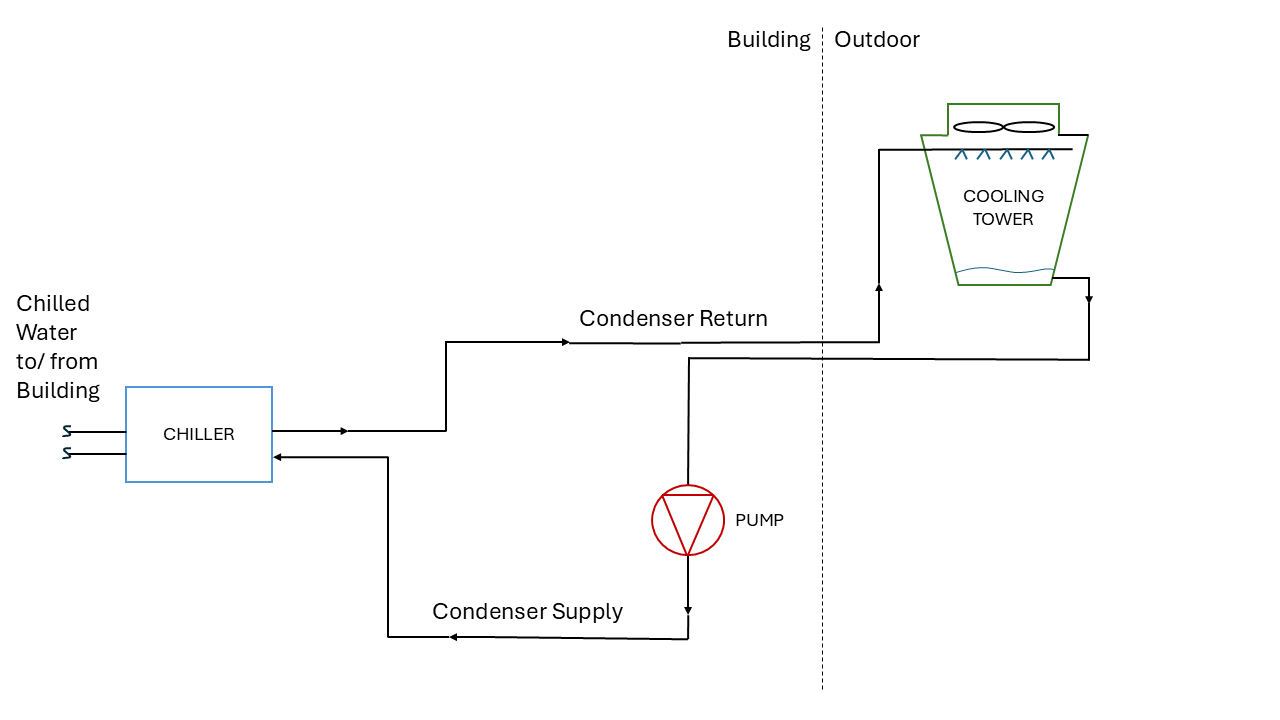
The next year, at the Rancho Las Palmas Marriott in Palm Springs, an experiment in using the conference facility as a learning tool to teach hands-on commissioning techniques identified over $90,000 of annual savings potential, approximately $18,000 of which was achieved in the course of the conference by a simple set point adjustment to the condenser water system. This quint essential, low-cost, no-cost retrcommissioning finding attracted the attention of E.J. Hilts, the then new Marriott Western Region Director of Energy, and was the trigger that led to the development of Marriott's own brand of retrocommissioning and a training program for their Director's of Engineering designed to take them back to their roots in terms of how they operate their buildings and make the commissioning tool set business as usual. The concept caught on and the current class of DOEs contains representatives from across the country, all with an eye toward improving the performance of their facilities and saving energy and resources in the process.
The bottom line is that the conference can be an interesting, exciting, and informative experience and this year's conference with its Innovate - Build - Sustain theme promises to be no exception. To give you a feel for that and perhaps inspire you to attend when its in your area, I'll be sharing my experience this year over the course of the next few posts as I attend the conference. So stay tuned to hear the latest on the state of the commissioning industry and where it sees itself fitting into the growing awareness of the need for improved performance, efficiency, and sustainable practices in our buildings.