Advertisement
FREE subscription
Email
Print
Reprint
Learn RSS

Fire protection in MCFs (part 1)

Lance Harry PE, director of sales, Fenwal Protection Systems -- Consulting-Specifying Engineer, 3/3/2008 6:53:00 AM

Fire protection for mission critical facilities (MCFs) can be a complex and daunting topic. We’ve broken up the task into several topics so that you can create manageable assignments out of each one. This three-part series will cover each topic in depth.

* Part 1: Understand the value of the facility in question. Value can be defined in a number of ways from asset value, to operational value to historical or sentimental value.
* Part 2: Evaluate the level of risk in the facility in question. What has been done to mitigate these risks? What can be done? What should be done in order to adequately protect against a potential hazard, including fire, in the facility?
* Part 3: Investigate the options available from water-based systems to waterless systems and determine what is right for your facility and your business. Understand the unique and varying levels of protection your facility will get from each option. It is the business owner’s responsibility to fully understand what each system will provide for his or her business.


The use of fire protection technology in MCFs has long been a standard for most engineering, information technology (IT), and facilities professionals. Whether it is as simple as portable extinguishers, or as complex as high-sensitivity smoke detection coupled with clean agent suppression systems, some sort of fire protection is a must.

Historically speaking, MCFs have garnered an elevated level of fire protection awareness due to two factors:

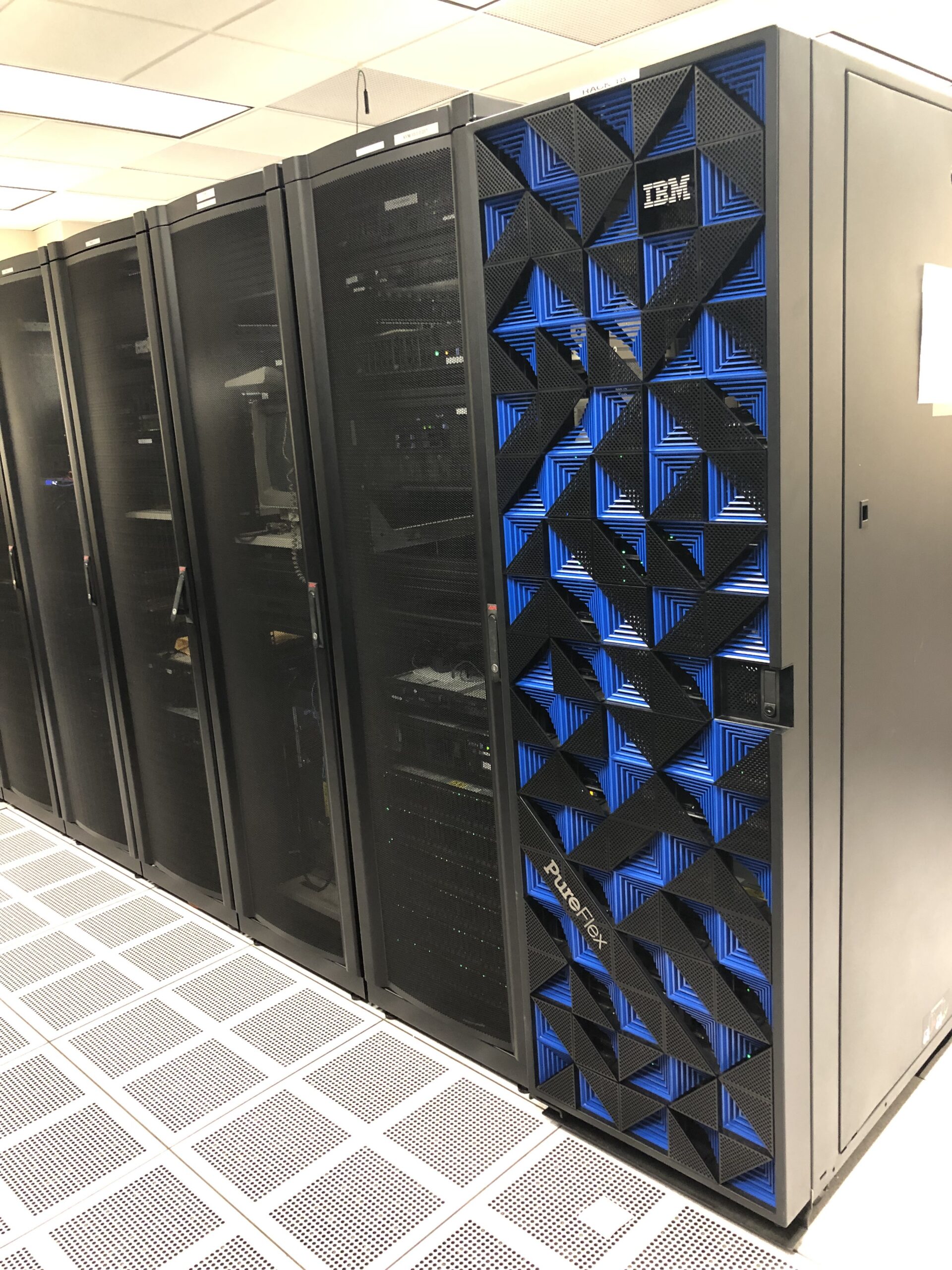
* MCFs consist of a collection of high-value, infrastructure related assets, typically electronics, which have significant monetary value but are often even more valuable operationally. The cost of replacement and downtime associated with damage to these assets can be astronomical.
* MCFs often involve a greater level of risk than most commercial space because of the presence of both a constant ignition source (electricity) and a plentiful supply of fuel (generally plastics as in printed circuit boards).

The most common example of an MCF in today’s business environment is the data center. Data centers are often the hub of a business’ operations, handling anything from internal communications (e-mail) to vendor/customer data, external order handling, and financial transaction processing. Data centers exist in all segments of the business landscape. Financial, telecommunications, and large manufacturing most commonly have numerous and extensive data center assets.

Other examples of MCFs could be network control centers, process control rooms, laboratory facilities, power generation facilities, or testing environments. The MCF really is defined by the company and owner. If the assets and operations are of particular value, it certainly can be deemed mission critical.

Fire protection in these facilities vary. Traditionally, owners have sought systems that provide the greatest level of protection for the least cost. Level of protection can be loosely evaluated through two elements: extinguishing fire rapidly and effectively and minimizing associated damage to the protected assets. It is important to realize that in most cases, a complete protection strategy involves both structural protection (generally recommended throughout a given building) as well as asset protection (supplemental protection for the high value asset) in the mission critical environment.

In the 1960s, ‘70s, and ‘80s, halons primarily were used for the MCF application. Halon 1301 was the most common clean agent of the era. Some would argue Halon 1301 was used more liberally than it should have been. However, its effectiveness in extinguishing fire and minimizing damage to the protected space was exemplary.

Unfortunately, halon compounds contain either bromine or chlorine as one of their primary elements. Both elements are known ozone depletion contributors. The Montreal Protocol, originally signed in 1987, banned the production of ozone depleting compounds, including halons, in most developed countries. However, halon is still available today in recycled form. For example, in the United States, it is legal to recharge existing Halon 1301 systems with recycled halon purchased from third-party suppliers and recycling groups. In the European Union, however, new halon systems are no longer permitted and installed systems are required to be removed from service.

Email
Print
Reprint
Learn RSS

Talkback

We would love your feedback!

Post a comment

» VIEW ALL TALKBACK THREADS

Related Content

Related Content


By This Author


SPONSORED LINKS

 
Advertisement
Sponsored Links

More Content

  • Blogs

Blogs

  • Michael Ivanovich
    Give and Take

    July 18, 2008
    Gore: "Go solar or die." Walk the Talk, Take 1
    In a speech at an energy conference in Washington, D.C., Nobel laureate, Academy award winning filmm...
    More
  • Michael Ivanovich
    Give and Take

    June 19, 2008
    After the flood: mold. Learning from Katrina.
    As Iowa’s flood waters recede and recovery ramps up, the race begins to minimize problems with...
    More
  • » VIEW ALL BLOGS RSS
Advertisements


NEWSLETTERS
Plug in and get the latest CSE news, trends and industry updates delivered directly to your inbox!

Green Scene
CSE Codes & Standards
CSE NewsWatch
CSE Fire and Life Safety Solutions
CSE Business of Engineering Management Report
CSE Electrical Solutions
CSE HVAC Solutions
Pure Power
CSE Product Showcase
©2008 Reed Business Information, a division of Reed Elsevier Inc. All rights reserved.
Use of this Web site is subject to its Terms of Use | Privacy Policy
Please visit these other Reed Business sites