Advertisement
FREE subscription
Email
Print
Reprint
Learn RSS

Letters: Reader Feedback

Staff -- Consulting-Specifying Engineer, 9/1/2006

Washer worries

Referencing the article “Washing Away Electrical Costs” (CSE 7/06, p.31), and specifically the sidebar “Saving Dollars by Giving Back Heat,” this short story mentioned that conventional dryers exhaust about 175 to 225 cu. ft. per minute of air, and ventless systems do not.

But a key energy-savings component the article missed touching on was the vented air savings. In other words, when you exhaust conditioned air, be it cool or hot inside air, the system has to replace that air. The vented air has to come from somewhere - an outside air intake, leaks through windows and doors, a fireplace or wherever. That makeup air has to be heated or cooled depending on the conditioned space, meaning more energy. So the ventless system eliminates the need for reconditioning the makeup air needed for the conventional dryer.

Michael Webre

As I read this article I could only think about the experiences my family has had with combination washer/dryers with condensing dryers. What a frustrating situation for an American family this can be!

Our son lived in London for several years. Whenever we visited him over the course of four or five trips, clothes were hanging on drying racks in the kitchen of his three-bedroom apartment. The seemingly “wonderful” condensing dryer, which has been used in Europe for many years, could only dry clothes to a level suitable to then finish by air-drying outside.

We also own property in the British Isles that has a combination unit as described in the article. During our last visit, we ran the dryer for four to six hours each time we did a load of laundry, as our association does not permit outdoor clothelines.

The article does not address the actual time required to dry clothes in its energy/cost analysis. While this type of equipment may seem wonderful and economical, I seriously recommend that designers personally experience using the units before designing a high-rise condominium building with electrical capacity/distribution that can only handle this type of equipment. Oh, the screams and potential litigation could be terrifying!

Anthony B. McGuire, P.E. FASHRAE, McGuire Engineers, Inc. Chicago

More on data centers

The news story “7x24 Conference Hits on Key Data Center Issues” (CSE 7/06, p. 11), missed a very important matter: NEC Article 645 requirements for emergency power-off (EPO) panels.

At one of the “pass-the-mike” sessions at the conference, the NEC's requirement for a “disconnecting means,” generally referred to as the EPO, was a hot topic. There seems to be little sympathy for data center operators as to what this requirement means to these operators. Anecdotal data suggests that nine out of 10 IT system shutdowns in data centers were caused by unintentional activations of the EPO. The way the code exists now, a single button can override all of the redundancy and fault-tolerance built into a data center.

Along a similar vein, I found it interesting, that as reported in the “Code Red” M/E Roundtable discussion on fire alarms (CSE 7/06, p. 19), also in July, there is a trend pushing the integration of fire protection, security and IT systems. This, however, would certainly raise the stakes when a data center crashes.

But back to the subject of emergency shutdowns, there seems to be a sense that there is little anybody can do about it. For example, Proposal #12-120, log 1714 NEC-P12 recently went before NFPA. If it passed, it would have allowed alternate methods for an IT shutdown. Specifically, when certain conditions are met, it would permit shutting down “zones” instead of the entire data center.

Unfortunately, the proposal was soundly defeated, but there's still an outside chance for it. The period for public comment on this and other proposals will close on October 20. If enough people submit comments, they can change the code to protect business continuity, firefighters and employees all at the same time.

For the record, some 20 proposals were submitted that would modify NEC IT rules. Anyone can look up the full text on NFPA's website, www.nfpa.org, and anybody can submit a comment in the codes and standards section; NFPA membership is not a requirement. Other must-visit sites include: www.datacenteruniversity.com; www.bladeready.com; www.gutor.com; www.netbotz.com; and www.availability.com

Steve McCluer, American Power Conversion

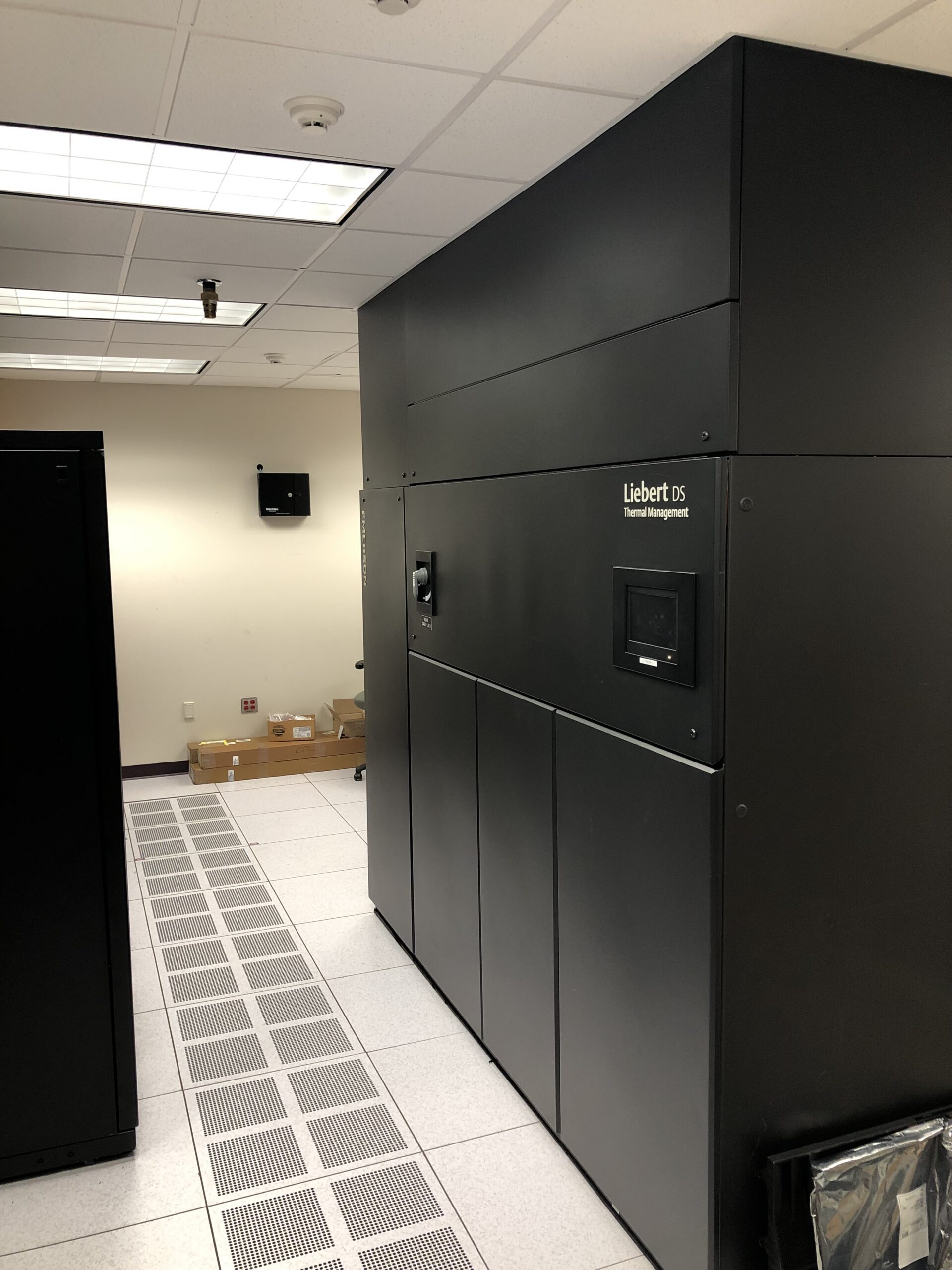
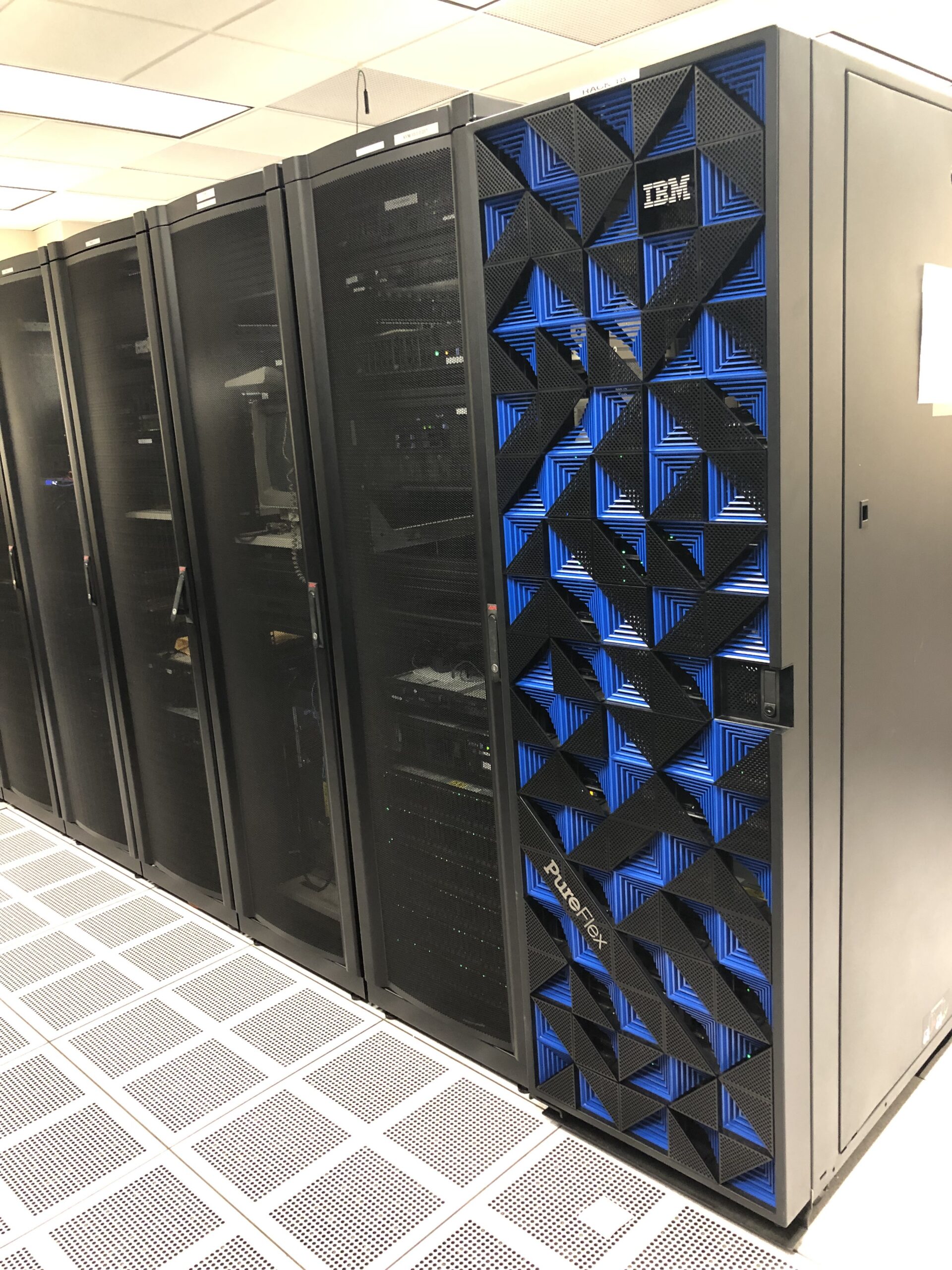
Regarding data center cooling strategies as outlined in the news story “7x24 Conference Hits on Key Data Center Issues, “Hewlett Packard has been studying this issue for more than 10 years. We certainly agree that power and cooling are major concerns for everyone trying to manage the increasing demands on data centers. But that said, the story claimed that “water-based solutions ... are still limited to less than 20 kW per rack.” This is contrary to the results borne out by our HP Modular Cooling System, which currently supports up to 30 kW in a single rack.

The HP MCS is an innovative self-cooled rack for high-density deployments in the data center and makes possible the deployment of up to 30 kW of servers, storage and blades in a single rack, supporting hardware densities and power consumption levels that have been difficult, if not impossible, to cool previously.

HP MCS is designed to complement the existing conventional datacenter cooling by adding computing power without adding to the current heat load in the data center.

Jeff Otchis, Hewlett-Packard Company

Email
Print
Reprint
Learn RSS

Talkback

We would love your feedback!

Post a comment

» VIEW ALL TALKBACK THREADS

Related Content

Related Content


By This Author


SPONSORED LINKS

 
Advertisement
Sponsored Links

More Content

  • Blogs

Blogs


Sorry, no blogs are active for this topic.

» VIEW ALL BLOGS RSS

Advertisements


NEWSLETTERS
Plug in and get the latest CSE news, trends and industry updates delivered directly to your inbox!

Green Scene
CSE Codes & Standards
CSE NewsWatch
CSE Fire and Life Safety Solutions
CSE Business of Engineering Management Report
CSE Electrical Solutions
CSE HVAC Solutions
Pure Power
CSE Product Showcase
©2008 Reed Business Information, a division of Reed Elsevier Inc. All rights reserved.
Use of this Web site is subject to its Terms of Use | Privacy Policy
Please visit these other Reed Business sites