Water Woes a Barrier to Overcome
By Michael Sheerin, P.E., Healthcare Division Director, TLC Engineering for Architecture, Orlando, and Brian Harrington, Senior Plumbing Designer -- Consulting-Specifying Engineer, 7/1/2003
Although difficult to believe after a winter of snows and a spring of record rains in the Northeast, water shortages had a significant impact on development in many regions of the country in the summer of 2001. The concern over dwindling water reserves and continuing drought-like conditions spurred the city of Frederick, Md., during an especially bleak period, to place a moratorium on all new construction permits. City officials reasoned that new permits represented new plumbing fixtures and HVAC systems that would increase municipal water consumption.
This action placed Frederick Memorial Hospital in a holding pattern, with contractors geared up and ready to begin the critical, multi-year, multi-addition Phase II construction. Discussing the potential scheduling delays with the design team, the construction manager and owner speculated that given the many improvements, the hospital might consume less water when the overall project is completed than in its present condition.
Familiar with the hospital's existing systems, TLC identified the water "hogs" and then the water-saving fixtures, systems and any features incorporated into the Phase II project that would correct or improve water consumption. The results were a pleasant surprise to the engineer and the hospital. Here's what was found:
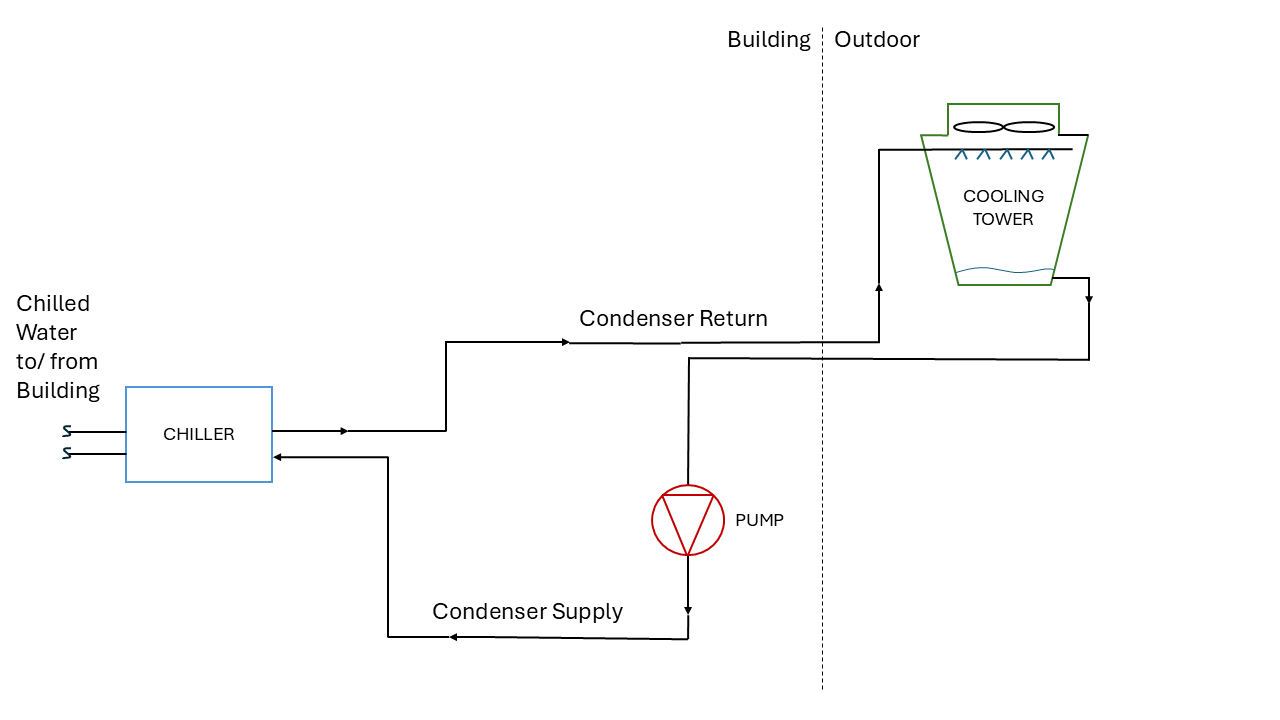
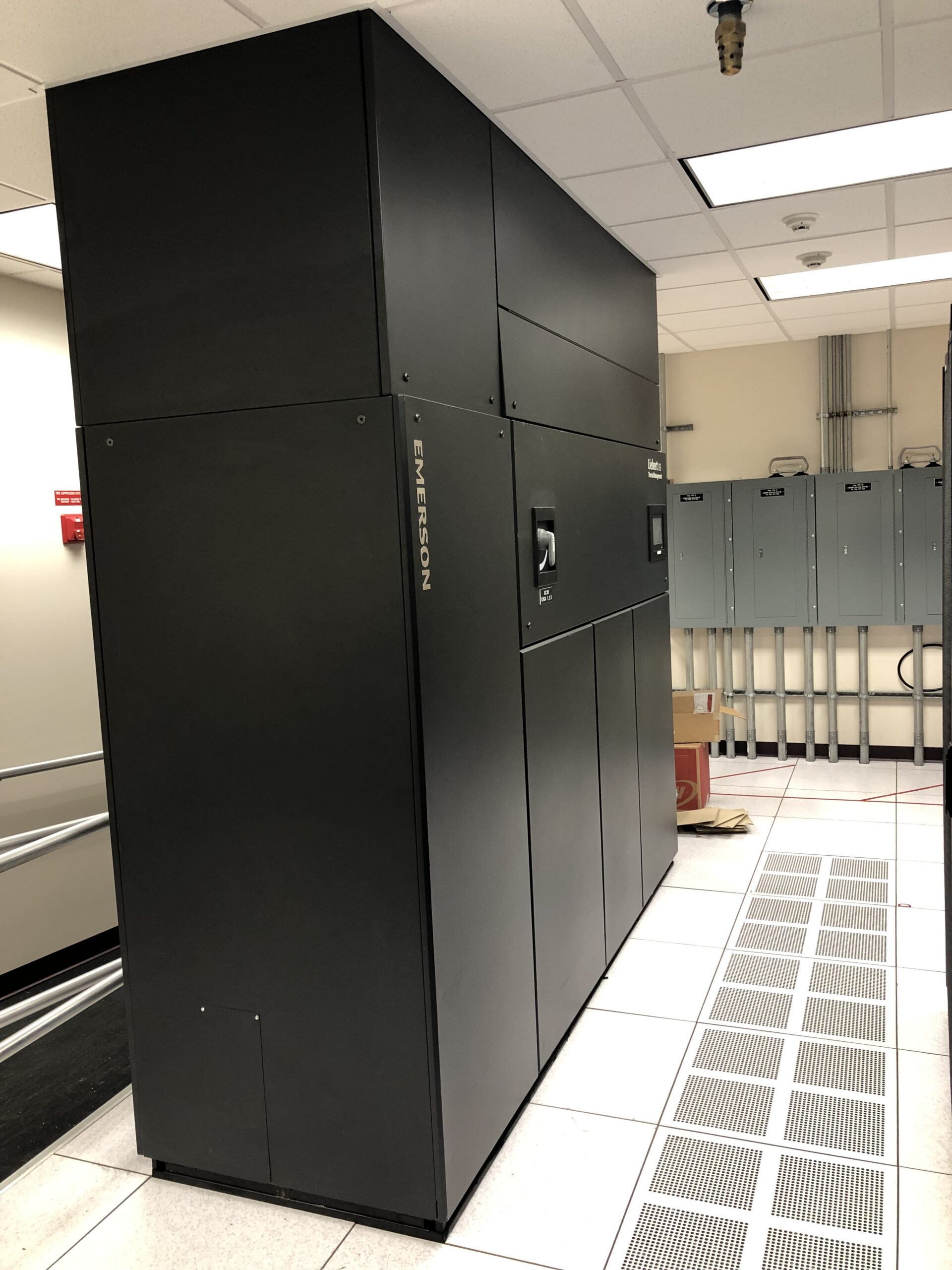
- Existing kitchen walk-in cooler/freezer condensers were using domestic water for cooling. These units and their associated condensers were being replaced with a new air-cooled type. At a measured flow of approximately 3.5 gallons per minute, 5,040 gallons per day would be saved.
- The existing medical vacuum system was a duplex liquid-ring type, using a 2.5 gpm water seal to maintain a vacuum. Replacement of the unit with a new oil-sealed liquid ring system eliminated this water consumption, yielding approximately 5,400 gallons per day in savings based on existing system demand.
- Retrofit of the existing water closets from 3.5-gpf flush valves to 1.6-gpf versions and urinal flush valves to a 1.0 gpf version would net an additional 1,400 gallons per day, based on a conservative estimate of 800 flushes per day.
- The hospital had standardized on a sensor-operated faucet. Many jurisdictions, including the city of Frederick, required metered faucets in public bathrooms. The hospital had implemented a plan to change out all faucets. Water savings were difficult to determine, but estimated at 2,000 gallons per day.
- Replacing existing showerheads from original 3-gpm to 5-gpm types to new 1.25-gpm showerheads. Limited shower use by patients occurs, given the short stays, which are typical. Factoring patient and staff use, savings of approximately 2,000 gallons per day were possible.
- Finally, sizeable areas of the existing facility were being demolished, removing numerous water-consuming plumbing fixtures.
In sum, the hospital eliminated more than 10,400 gpd of water consumption through equipment replacement, further reducing consumption by an additional 5,400 gpd with plumbing fixture upgrades. Factoring in the fixture count credits for the demolished areas, the hospital's projected water consumption increases due to building expansions were indeed offset by the significant system improvements being made.
When the hospital presented these results to the Frederick City Council in appealing the building permit moratorium, council members lauded the hospital for its proactive approach to water conservation and granted the permit.
|