Transitioning away from high-carbon steam systems requires a phased, whole-building approach that integrates near and long-term strategies, such as point-of-use electrification, low-temperature hot water conversion and heat pump adoption.
Learning objectives
- Gain insight into inefficiencies, failures and operational costs of steam systems.
- Identify strategies to optimize, hybridize and fully convert existing systems to electric alternatives.
- Understand key challenges associated with steam-to-hydronic conversion projects and the financial case for steam decarbonization.
Decarbonization insights
- A phased approach to steam system decarbonization can reduce emissions while improving energy efficiency and lowering operating costs.
- Heat pumps and heat recovery reduce steam demand and support electrification.
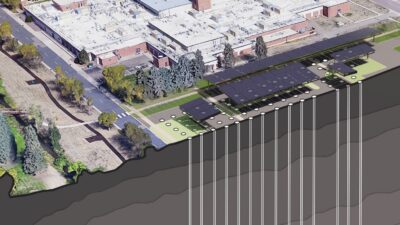
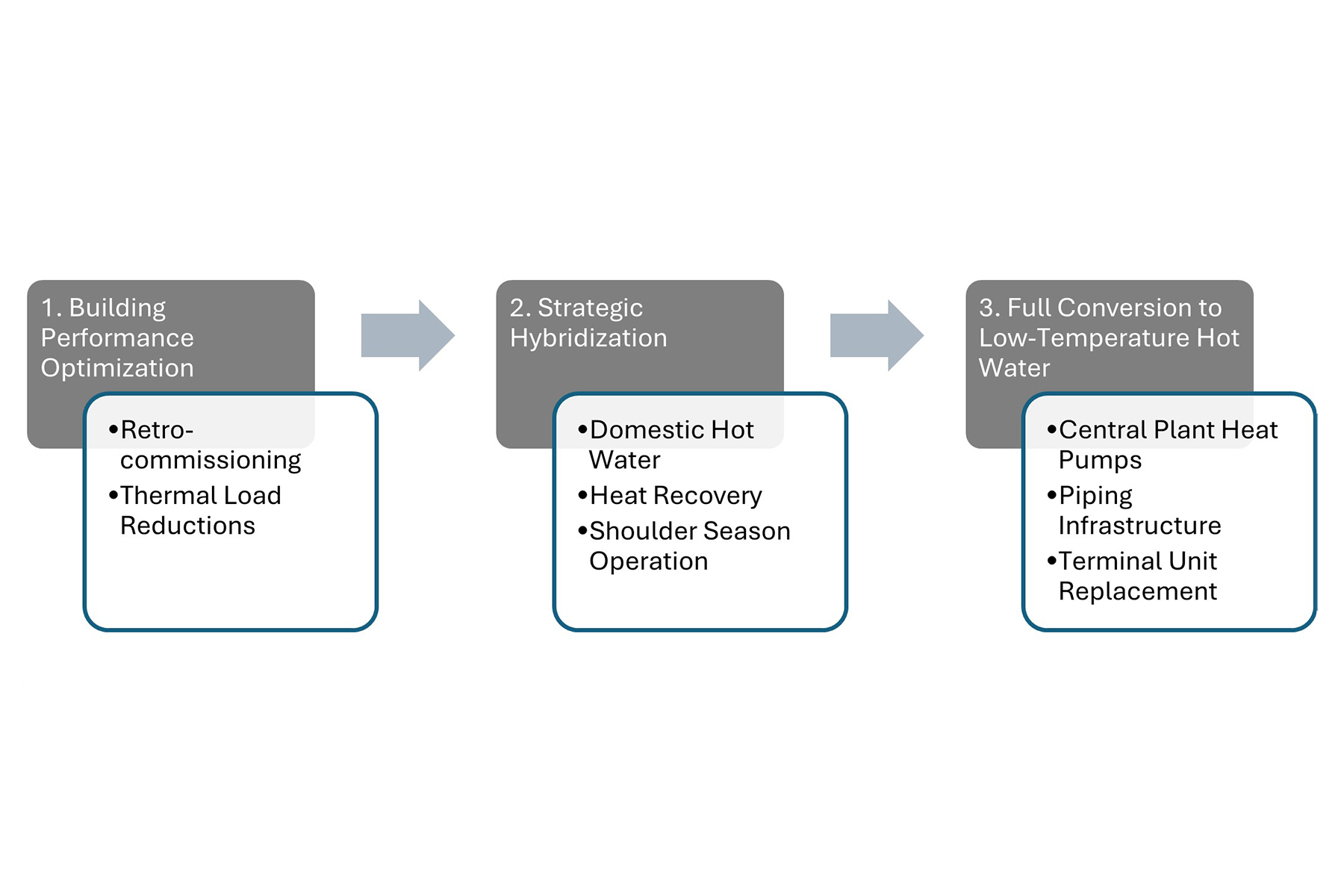
A phased technical decarbonization roadmap offers a clear, practical path for mechanical engineers, facility managers and sustainability officers to build toward a fully electrified heating plan. By first optimizing the existing system, then strategically hybridizing with electrification and ultimately converting to low-temperature hydronic heating, buildings can progressively reduce carbon intensity, increase energy efficiency and lower both operating and maintenance costs (see Figure 1).
Historically, steam heat was the primary method of delivering heat for much of the 20th century and remains a significant source of heat for many commercial buildings and campus systems. The ability to move enormous amounts of energy through relatively small pipes made steam the obvious choice for tall buildings and district heating grids serving dense urban cores. Cities like New York and Chicago built centralized steam distribution networks in the late 19th century that are still in operation.

The thermodynamic advantages that made steam attractive decades ago are now working against building owners striving to lower greenhouse gas emissions. The elimination of on-site gas or oil-fired steam boilers is not a simple fix and requires a full evaluation of a building’s heating design.
Steam’s energy density allowed early mechanical engineers to heat vast buildings with modest pipe diameters and the natural pressure differential between the boiler and the terminal units drove condensate back to the plant with relatively small condensate pumps or a vacuum return.
For large buildings built before the advent of variable speed pumps, modern controls and efficient motors, these were genuine engineering advantages. But the same characteristics that made steam powerful are now sources of inefficiency and carbon emissions.
Conventional steam boiler efficiency tops out around 85% at best and these systems are almost universally fueled by natural gas or oil. Older steam boilers typically have limited turndown capability, which in practice can lead to overproduction and dumping of excess heat.
Further losses occur downstream of the steam plant. In older buildings with original insulation, distribution losses can account for 20% to 30% of total boiler output. Even with remediated systems, heat still radiates out from traps, valves and other discontinuities in the insulation. These distribution losses are not recoverable; they represent fuel burned and carbon emitted with no useful heating effect.
Steam trap failures and maintenance
While steam traps are essential for draining condensed steam (condensate) without losing live steam, they are also a significant point of failure. A typical large building may have hundreds of traps and studies by the U.S. Department of Energy have found failure rates of 15% to 25% in poorly maintained systems.
A failed-open trap blows live steam directly to the condensate return, wasting significant energy. Trap surveys and systematic replacement programs can yield 10% to 20% fuel savings.
A steam system requires significant maintenance to operate effectively. In most U.S. jurisdictions, a boiler operating above 15 pounds per square inch gauge requires a licensed stationary engineer or steam operator to be on site whenever the system is in service. For a hospital, university or large commercial building running steam heat around the clock, this translates to multiple licensed operators across three shifts, seven days a week. Low-temperature hot water (LTHW) boilers and heat pump systems, by contrast, are classified as low-pressure or pressureless equipment in most jurisdictions and can be operated with far less intensive staffing requirements.
Financials and the regulatory landscape favor heat pumps
The financial case for steam decarbonization has historically been challenged by long simple payback periods and the high capital intensity of system conversion. That calculus is changing, driven by three forces: regulatory requirements, utility and governmental incentives and a more sophisticated approach to investment evaluation.
Many jurisdictions with aggressive greenhouse gas emission reduction targets are implementing standards that penalize buildings that do not perform well. For example, New York City’s Local Law 97 imposes carbon intensity limits on buildings over 25,000 square feet, with penalties of $268 per metric ton of carbon dioxide (CO₂) above the threshold. For a large building with a steam plant, these penalties could reach hundreds of thousands of dollars annually by 2030 if no action is taken. Similar programs are in development across the United States.
Utility rebates for heat pump installations can reduce installation costs by 10% to 30% where available. State-level grant programs, particularly in states with aggressive building decarbonization mandates, provide additional capital for projects that might not otherwise make financial sense. Because changes to the regulatory environment led to changes in incentive programs, engineers and building owners should directly engage their local utility to understand the latest incentive structures.
For institutional building owners such as universities, health systems and major corporations, the environmental, social and governance dimension adds a layer of strategic value that does not appear in traditional engineering economics. Buildings that can demonstrate low or zero operational carbon contribute to institutional net-zero commitments, support sustainability reporting and increasingly factor into bond ratings and investment decisions. The concept of “return on resilience” captures this broader value: Decarbonized buildings are less exposed to fuel price volatility, regulatory risk and reputational liability.
Phase 1: Building performance optimization
Before any electrification investment makes sense, the existing heating system should be brought to peak efficiency. This stage costs the least, carries the lowest risk and often delivers the fastest financial return. It also establishes baseline data, such as actual load profiles, loss factors and equipment conditions that inform subsequent decisions and requirements for the future heating system.
Retro-commissioning (RCx): An RCx study can verify mechanical, electrical and control system performance and document operational inefficiencies that have accumulated due to deferred maintenance, tenant changes and years of system adjustments. A typical RCx engagement in a steam-heated building will identify issues such as simultaneous heating and cooling, controls that have drifted out of calibration and steam pressure setpoints that were set conservatively decades ago and never revisited.
RCx and other investigations into building performance can also produce valuable information on thermal loads and operational behavior that can be used to right-size the future heating system, as opposed to relying on outdated estimates of peak heating demand. They can provide a deeper understanding of the existing system’s control and monitoring capabilities, identifying gaps in controllability and opportunities to improve system operation.
Thermal load reductions: It can be advantageous to consider other building upgrades that can be performed prior to steam system replacement, as reducing heating load would reduce the size and cost of the replacement system. Examples of energy efficiency measures that can reduce heating loads include:
- High-performance window replacement
- Increased wall and roof insulation
- Air sealing and weatherization
- Reduction/resizing of ventilation airflow
- Air-to-air heat recovery
In isolation, these load-reduction measures may not provide enough energy cost savings to justify the initial expense. But when evaluated alongside a new decarbonized heating system, the reduction in peak heating capacity can prove to be more cost-effective and impactful.
Phase 2: Strategic hybridization
With the steam system running efficiently, the next stage introduces electric alternatives for loads that can be separated from the central steam plant with manageable disruption. The goal is not to replace steam everywhere at once but to identify subsystems where electrification makes immediate technical and economic sense. New technologies can reduce the total load on the fossil-fueled boiler plant and build operator competency.
Point-of-use domestic hot water (DHW): DHW generation is typically one of the largest and most consistent steam loads in commercial and institutional buildings. Steam-to-water heat exchangers serving DHW storage tanks operate year-round, including during summer months when the boiler plant may be running exclusively to serve this single load.
Replacing central steam DHW with heat pump water heaters eliminates significant steam load and allows boilers to be shut down entirely in warmer months. Heat pump water heaters typically operate at a coefficient of performance (COP) of 3.0 to 4.5, meaning they deliver three to four times more useful heat energy than the electricity they consume. Historically, heat pump water heaters have struggled to produce water up to the 140°F threshold required for DHW storage per ASHRAE Standard 188: Legionellosis: Risk Management for Building Water Systems Guideline 12, but newer products on the market, such as heat pumps with CO2 refrigerant are able to meet these requirements under a wide range of conditions.
Heat recovery and waste heat integration: Buildings with year-round cooling loads, such as data centers, laboratories and commercial kitchens, often reject substantial quantities of low-grade heat through their chilled water system, dissipating outdoors through a heat rejection device such as a cooling tower.
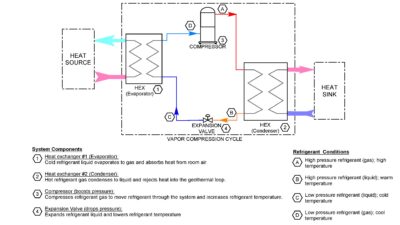
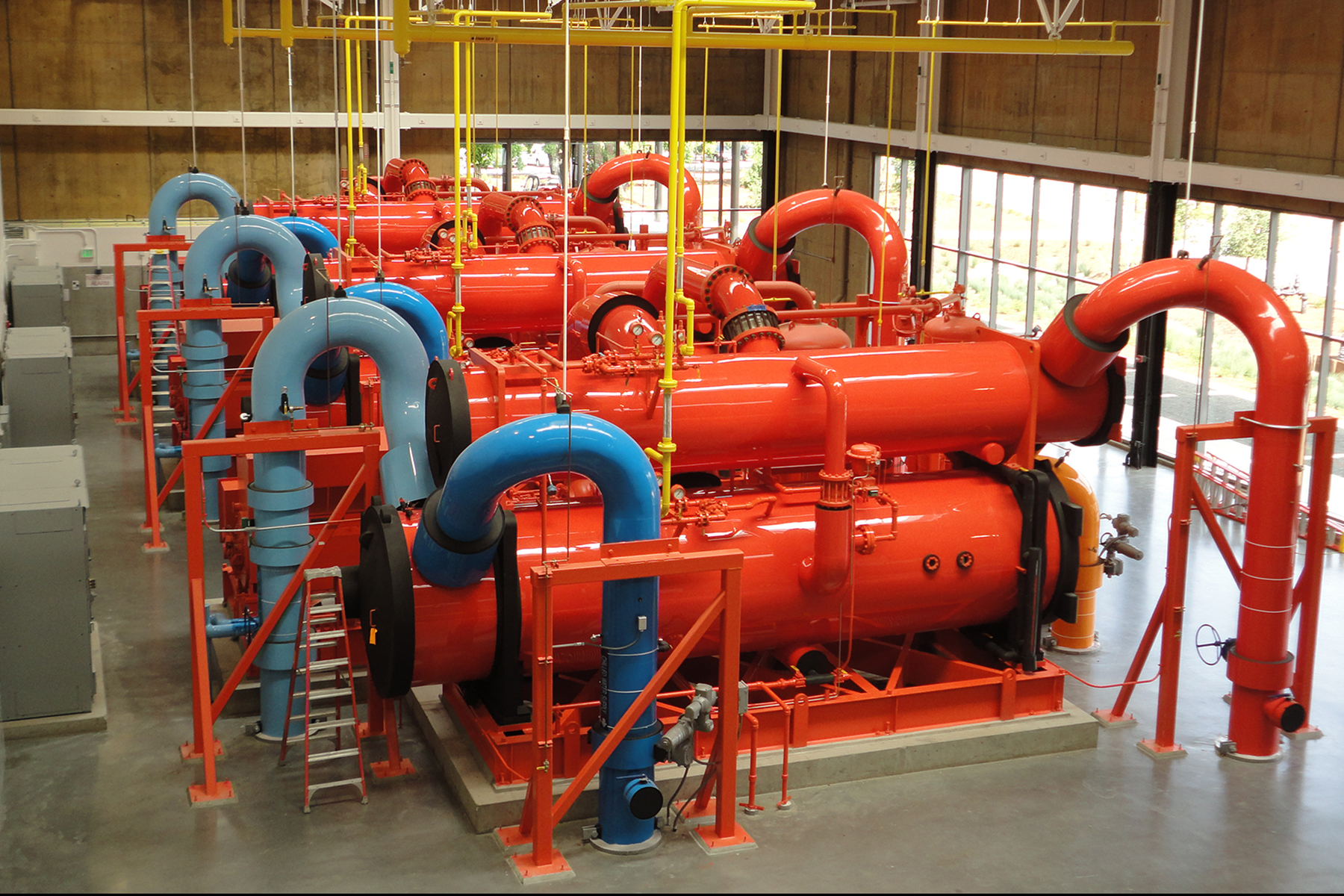
Heat recovery chillers, also known as water-to-water heat pumps, can capture this waste heat to pre-condition boiler feedwater, generate domestic hot water or supply water to low-temperature heating zones. This strategy is particularly attractive because it improves overall building energy efficiency while reducing heat demand (see Figure 2).
Shoulder season operation: One of the most persistent inefficiencies in steam plant operation is the requirement to maintain a boiler at operating pressure even when building heating loads are minimal, e.g., during spring and fall shoulder seasons or mild weather. This is an inherent design issue with large steam boilers. It is typically not advised to turn these systems on and off due to the technical difficulties of restarting these systems when they go cold.
Electric steam boilers can serve as the first stage of heating during low-load periods, allowing gas-fired equipment to remain off for much of the year. If the electric boiler is sized for this base heating load, then the initial cost is more manageable and less likely to require significant electrical upgrades.
Phase 3: Full conversion to LTHW and heat pumps
Complete elimination of steam requires the most significant investment and careful engineering, but it is the most practical pathway to full decarbonization of building heating. The central challenge is a thermodynamic mismatch: Steam systems are designed around delivery temperatures exceeding 212°F, while the most efficient heat pump technologies deliver temperatures in the range of 120°F to 150°F. Adjusting for this gap requires attention to three interconnected systems: the central plant, distribution infrastructure and terminal units.
Central plant heat pump technologies: The most direct way to replace gas-fired steam boilers is with electric resistive or electrode boilers. These types of boilers, however, have practical challenges to implementation. Even though electric boilers typically operate at 95% to 99% efficiency, retail electricity rates are typically three to five times higher than natural gas rates, thereby increasing operational energy costs. Additionally, many existing buildings lack spare electrical capacity to add an electric boiler sized for the peak heating load, triggering a costly upgrade to the building’s electrical service.
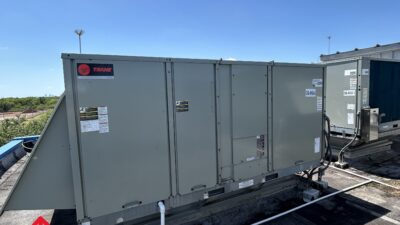
Heat pump technology is much more efficient than electric boilers, helping to mitigate higher energy costs while minimizing electrical infrastructure upgrades. Depending on the type of heat pump technology and ambient conditions, the COP can range from 2 to 5 or higher. Modern cold-climate air-source heat pumps maintain rated capacity down to -13°F, making them suitable for most North American heating climates. Water-source heat pumps, drawing from geothermal ground loops or wastewater heat recovery systems, offer higher and more consistent COPs but require site-specific feasibility assessment.
For facilities with process loads that genuinely require steam — hospital sterilizers, laboratory autoclaves and food service — industrial heat pumps capable of generating low-pressure steam with COPs in the 1.2 to 1.4 range are an emerging technology that warrants evaluation as the market matures.
Piping infrastructure: Converting a two-pipe steam system to a two-pipe hydronic system is the most capital-intensive element of a full conversion. Steam systems use one pipe for supply and one for condensate return; a hydronic system requires the same separate systems but often in larger sizes than the existing steam systems they are replacing because hot water is not as energy dense as high-temperature pressurized steam. The existing steam pipes should be evaluated for hot water service conversion, though pipe sizing, material condition and configuration may not be appropriate. Where pipe replacement is required, project phasing is often required to minimize occupant disruption.
Terminal unit replacement: LTHW systems operate with a supply hot water temperature in the range of 120°F to 150°F. Because a steam system typically operates at much higher temperatures, converting to LTHW may require resizing radiators and coils at air handling units to provide enough capacity to handle thermal loads.
Cast iron steam radiators are poor candidates for LTHW service, as their mass and surface areas are sized for the high-temperature differential available from steam. Replacement options include fan coil units, low-temperature panel radiators and radiant flooring. Each option has different space, cost and acoustic implications that must be evaluated in context.
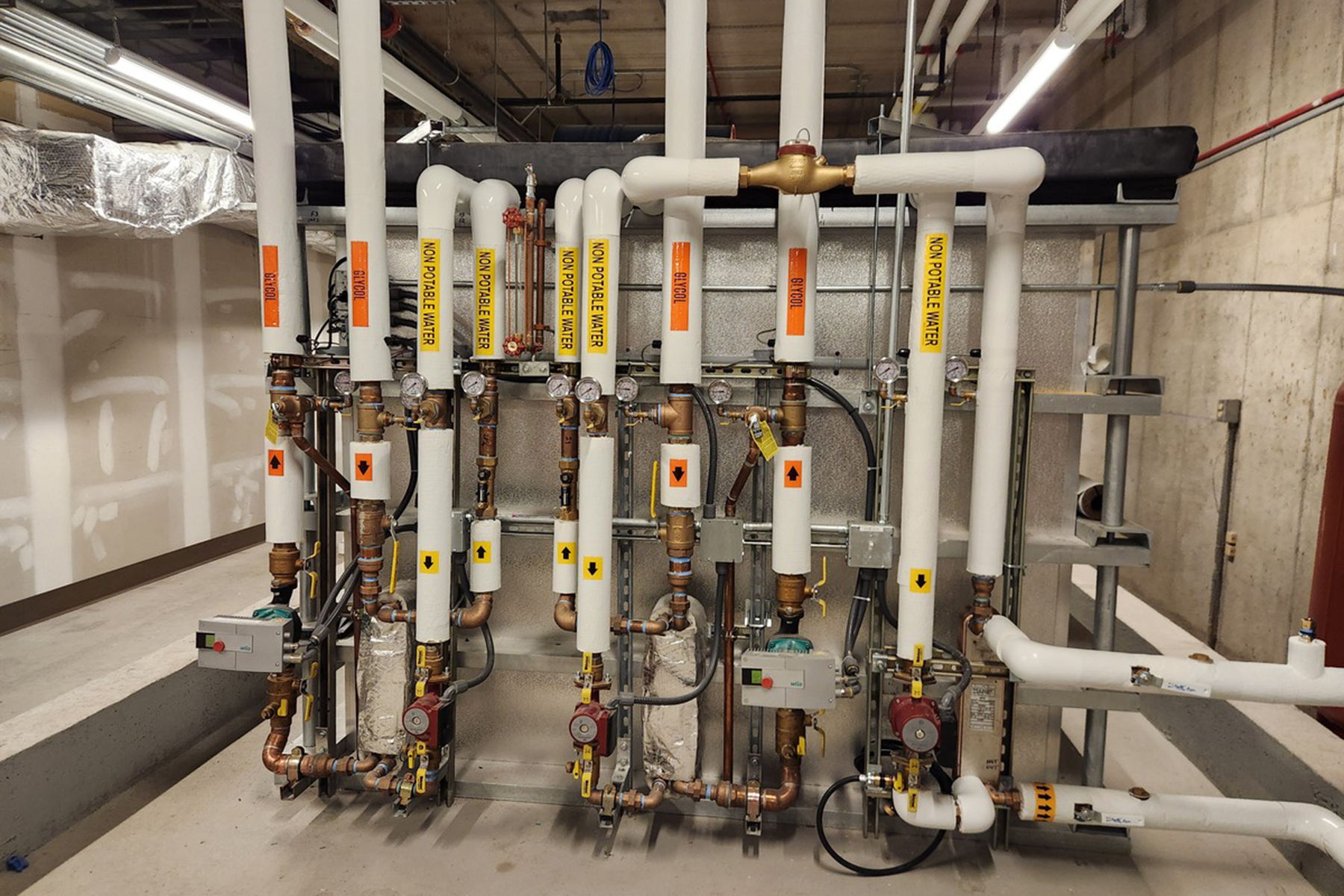
An effective method of evaluating coils is hot water temperature testing. The building operator can reduce hot water settings incrementally by 5°F to a predetermined target while monitoring temperatures in critical spaces. This testing can help designers understand what spaces would need resized coils and where existing equipment may already provide adequate heat at lower hot water temperatures (see Figure 3).
Engineering challenges
Several challenges recur across steam-to-hydronic conversion projects that require specific attention in the design process.
Peak load sizing is perhaps the most consequential design decision. Engineers accustomed to sizing steam boilers for worst-case design day conditions must resist the temptation to apply the same methodology directly to heat pump plants. Heat pumps are most cost-effectively sized at 80% to 90% of peak load, with supplemental electric resistance or a retained small gas boiler covering the coldest hours of the year — a hybrid plant configuration that significantly reduces capital cost while maintaining reliability.
Controls integration across the optimization and hybridization phases also creates complexity that must be addressed in the conversion design. A building that has replaced steam boilers with multiple components, such as DHW heat pumps, heat recovery chillers and electric boilers, requires a coherent building automation strategy to manage all these systems as an integrated whole.
The conversion of plant equipment from steam boilers to a heat pump-based alternative presents further considerations due to the different characteristics of the equipment. Replacing gas- or oil-burning boilers with electrically driven heat pumps will increase electrical supply requirements and may trigger significant upgrade requirements to electrical infrastructure supporting the building.
Approaches to designing backup or redundancy for healthcare and critical infrastructure may be different due to the performance characteristics of heat pumps and more complex control schemes. Further, heat pump systems may have space requirements that do not allow for reuse of existing steam plant mechanical rooms, particularly air source heat pumps, that must have access to outdoor air for heat transfer. All these challenges can be mitigated with appropriate design considerations and it is important to note that steam conversions are rarely an easy swap of one piece of equipment for another.