A new hospital design demonstrates how changes to NFPA 70-2026, Article 517 affect emergency power systems, lighting controls, project costs and long-term operations.
A healthcare system began planning a new 200-bed, full-service hospital. The electrical design was originally intended to replicate the electrical infrastructure used in another recently designed hospital within the same system that was currently under construction. However, the new project entered design during the transition to NFPA 70-2026: National Electrical Code (NEC) creating an opportunity to evaluate how the new requirements in Article 517 would affect both system design and project budget.
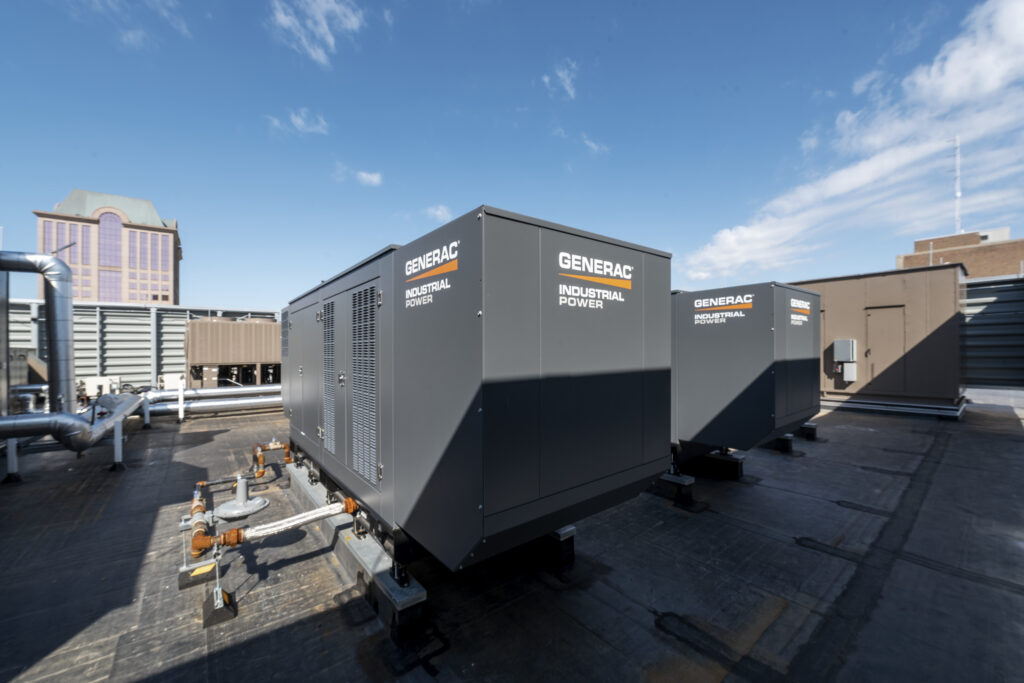
One of the first challenges involved the emergency power system. The baseline design consisted of two generators connected through paralleling switchgear. This approach had historically been considered highly reliable because either generator could support a significant portion of the facility during a failure, with nonessential loads automatically shed if one generator was unavailable.
As the design team evaluated the new requirements of Section 517.30(F), it was determined that this configuration did not meet the intent of the new code provisions. Although the system included multiple generators, it did not provide N+1 redundancy because the loss of either generator would reduce the available capacity below the required demand of the life safety, critical and equipment branches. The system also did not include a permanent means to connect a temporary generator source as required by the revised code.
Two compliance paths were evaluated. The first was to provide a permanently installed temporary generator connection point meeting all requirements of Section 517.30(F). The second was to redesign the generator plant to achieve true N+1 redundancy.
Initially, the temporary generator connection appeared to be the less expensive solution. However, further evaluation revealed several practical complications. Most rental generators available in the region were designed to operate as stand-alone units and lacked the controls necessary to integrate seamlessly with the hospital’s paralleling switchgear. While it was technically feasible, accommodating a temporary generator would require additional controls, operating procedures and coordination with rental equipment suppliers.
Ultimately, the team determined that increasing the size of both generators to provide N+1 redundancy represented the most practical long-term solution. Although the larger generators increased first cost, the approach simplified operations and maintenance while ensuring that the loss of a single generator would not affect the facility’s ability to support the required loads.
Another design challenge
A second design challenge emerged from the revised requirements of Section 517.80 regarding Class 2 lighting circuits supplied from the life safety and critical branches. The healthcare system had standardized on modern digital lighting controls using Class 2 control wiring. While the approach provided advanced control strategies and operational flexibility, the 2026 NEC now requires these circuits to comply with the mechanical protection requirements applicable to Article 517.
This change created a significant cost impact because wiring that was previously installed using typical Class 2 methods now required conduit or other approved mechanical protection. Alternatives including wireless lighting controls and more traditional control architectures were evaluated. However, cybersecurity concerns from the hospital’s information technology department eliminated wireless solutions, while conventional control systems could not provide the same level of functionality and energy code compliance. The final design retained the distributed Class 2 lighting architecture while incorporating the required mechanical protection for all applicable control wiring.
The completed project demonstrated an important lesson embedded throughout NFPA 70-2026. Many of the revisions within Article 517 are more than editorial changes or organizational improvements. They directly influence system architecture, equipment selection, project budgets and long-term operational strategies, reinforcing the growing emphasis on reliability, maintainability and resiliency in healthcare electrical system design.