Advertisement
FREE subscription
Email
Print
Reprint
Learn RSS

Good Sense

Underfloor air distribution is gaining popularity in today's built environment

R. Stephen Spinazzola, P.E., Vice President, Applied Technology Group, RTKL -- Consulting-Specifying Engineer, 1/1/2007

No matter the intention, be it a green facility or not, cost containment in building design and construction is always an issue. And with the rising costs of construction and energy, building owners and developers are seeking innovative methods to provide an infrastructure capable of accommodating up-to-date technology, but still offering the ability to contain costs. One such system growing in popularity is the use of underfloor air distribution (UFAD).

“Pro-green” in terms of sustainability and cost-effectiveness, UFAD systems provide an alternative approach to the traditional method for delivering air conditioning and wiring in offices and other commercial buildings.

Somewhat controversial, this technology was introduced in the 1950s in spaces with high heat loads such as computer rooms and control centers. It was then subsequently adopted in office buildings in the 1970s. Since then, UFAD has received considerable acceptance internationally, especially in Japan and throughout Europe.

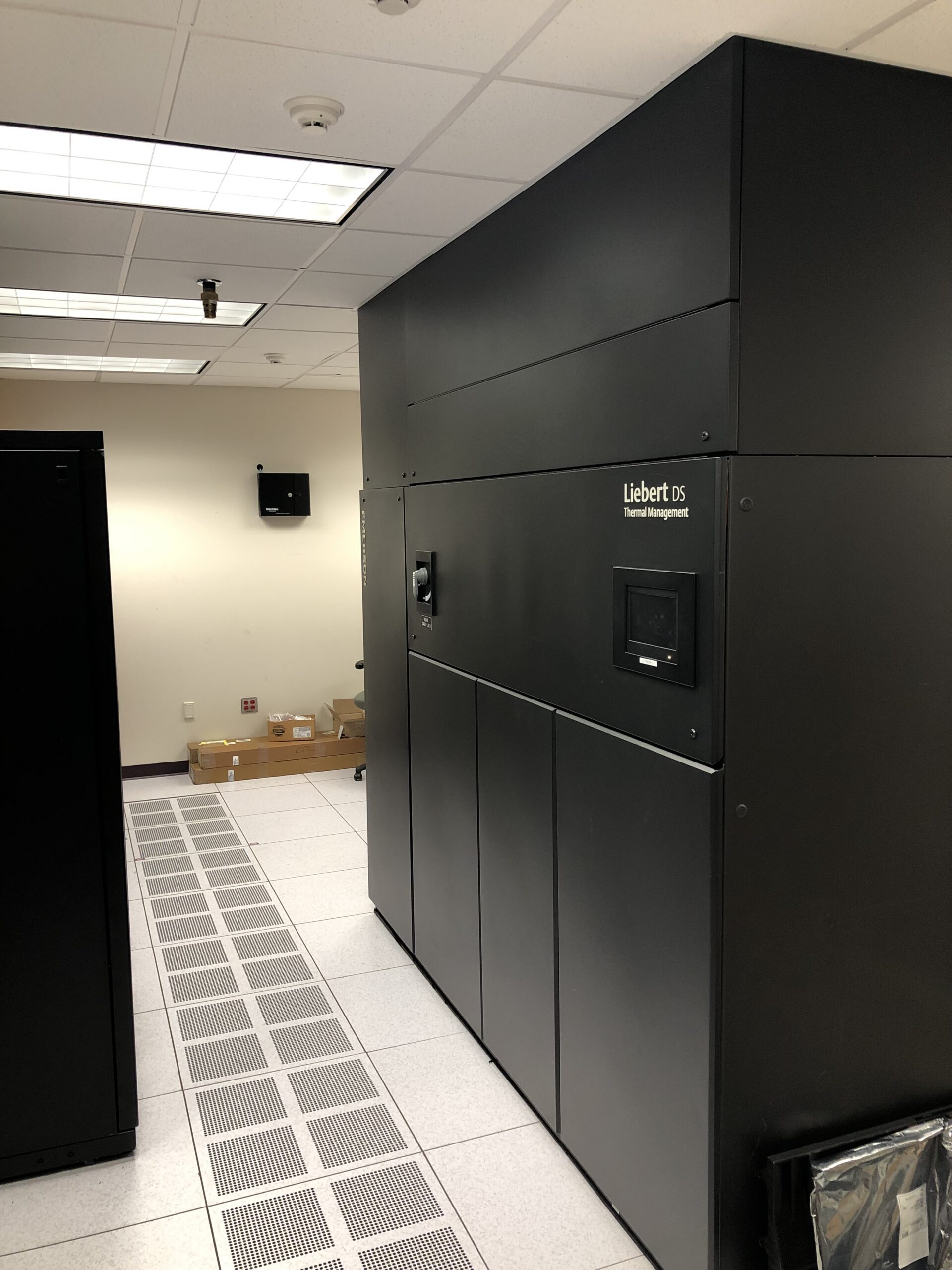
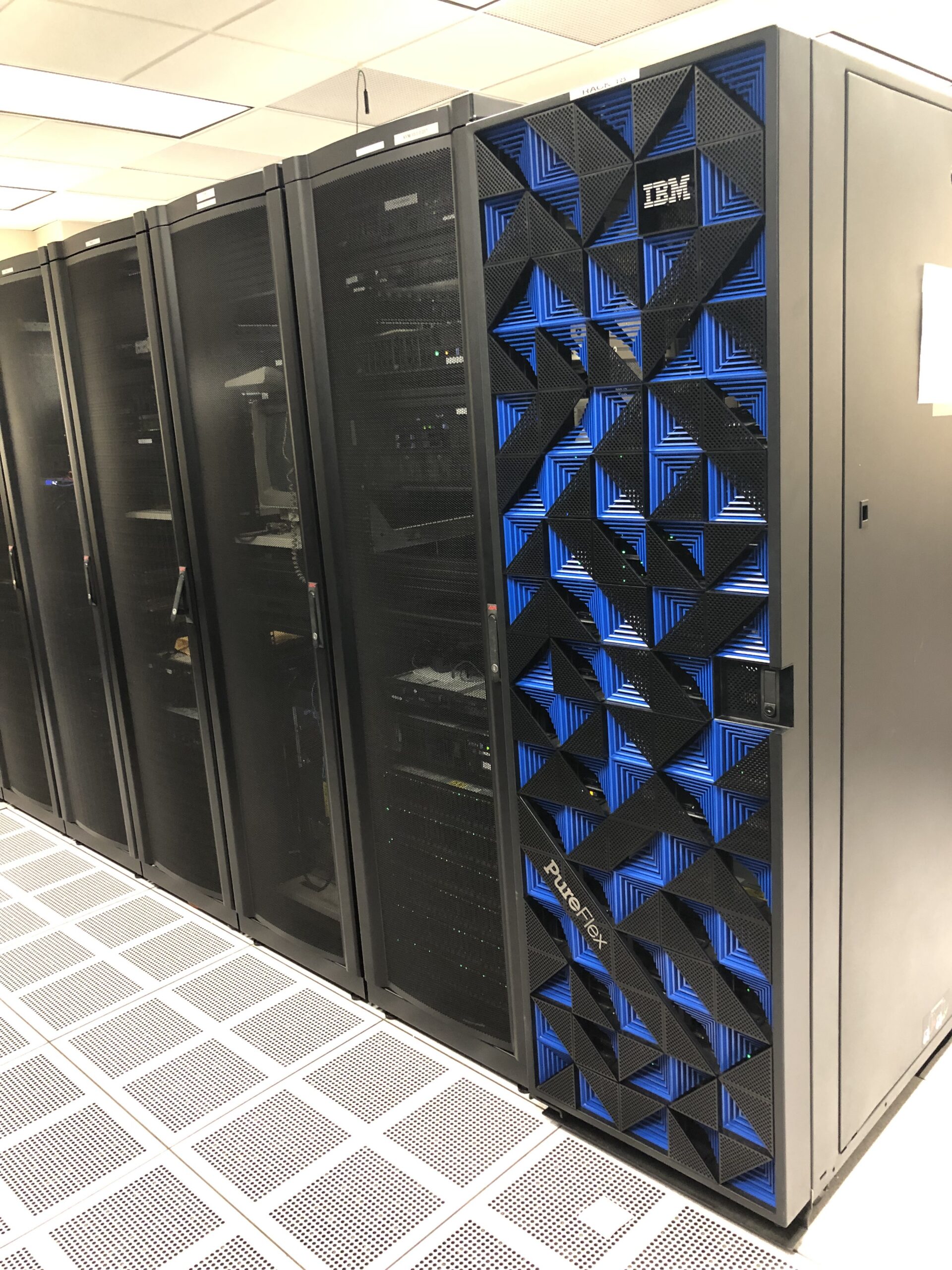
UFAD supplies conditioned air through a raised floor supply plenum, similar to cooling systems in data centers. Air is supplied to the space through floor air devices that are either manually adjusted by the occupants, or controlled automatically by room thermostats. Air is returned from the space generally through a return ceiling plenum.

UFAD's benefits

While raised floors are not a new concept, the move to the digital environment is making UFAD an increasingly popular concept. Unlike data centers that use raised floors as high as 3 ft., UFAD raised floors range from 10 in. to 18 in. The raised-floor plenum also is used for power and data cabling.

Buildings implementing UFAD are gaining in popularity for a number of reasons:

  • Interior comfort in buildings is higher than buildings with conventional overhead cooling.
  • Cost for interior reconfigurations is much lower than non-UFAD buildings.
  • Air devices, as well as power and data floor boxes, can be easily moved to accommodate new furniture modifications.
  • The effectiveness of the ventilation system is better as the supply air is introduced at the floor and returned at the ceiling, more effectively removing contaminants from the space.
Fighting misperceptions

The biggest disadvantage of the technology is the lack of familiarity that many designers, owners, tenants and builders have with it. Buildings are a major long-term investment, and no one wants to be involved in an experiment. It's the proverbial catch-22.

A major misperception about UFAD centers on the expense. There is a misconception that buildings with UFAD are more expensive to build, maintain and run than those buildings using conventional overhead cooling.

To the contrary, if implemented properly, UFAD buildings are designed and built for virtually the same cost as conventional design. And there are added advantages: UFAD systems provide an alternative method of delivering space conditioning and wiring in offices as well as other commercial buildings. Also, in addition to cost savings, UFAD offers versatility in building renovation because all of the systems are easily available.

The fact is, when an experienced team incorporates UFAD into a building design, the floor-to-floor height is reduced by 6 in. to 12 in. In a building with conventional overhead cooling, the floor-to-floor heights are usually set by the beam, duct interface at the core wall. Supply and return ductwork, and sprinkler pipes compete for space at the core, and generally dictate the amount of space required above the ceiling. A typical ceiling plenum ranges from 20 in. to 24 in. below the structural beams. With UFAD, there is no supply or return ductwork, which allows the ceiling plenum to be compressed to zero to 8 in. below the structural beams. With UFAD, the return can actually be in the sidewall of the core, eliminating the need for a return plenum.

The complexity and the amount of data cabling have an impact on the height of the raised floor. Most buildings with UFAD and a single level of underfloor data cable management have 14-in. raised floors. Thekey with HVAC systems, whether it is a standard overhead variable-air-volume system (VAV) or UFAD, is how HVAC systens fare with regard to the typical complaints such as “too cold,” “too quiet” and energy costs. Then there are other possible issues such as mold and other contaminants—will there be a higher risk? It's worth examining.

Cold complaints

Conventional overhead VAV uses nominal 55°F supply air. This is a magic number in the design of cooling systems. At 55°F supply air temperature, space conditions in the room are maintained at 72°F and 50% humidity. Air must be cooled to 55°F to wring out the moisture and keep the humidity levels acceptable.

UFAD systems use nominal 63°F supply air. If air is supplied from the cooling coil in the air handling unit at 63°F, there will not be enough moisture taken out of the air to keep the humidity within acceptable levels. The answer is to use a system called coil “face and bypass.” Most of the air is passed through the cooling coil and cooled to 55°F to wring out the moisture, and some of the air is “bypassed” around the cooling coil to blend with the 55°F air to raise the temperature to the required 63°F. Also, the outside air that is brought into the building to ventilate and provide fresh air has to be pre-treated to remove humidity. This approach makes the face and bypass approach more effective.

The reason for the higher supply air temperature with UFAD is occupant comfort. Years of research and use in Europe have shown that 63°F is the magic number. A big mistake made by inexperienced designers is not understanding the importance of the 63°F supply temperature. Using 55°F supply air similar to overhead VAV is a prescription for disaster. The second big mistake is using reheat to raise the supply temperature to 63°F. It is not code-compliant and will result in huge energy bills.

Too quiet

With UFAD, the air supply system delivers air at low pressure and low velocity. As such, there is none of the usual background noise associated with overhead VAV. If speech privacy is important, then an electronic white noise generator should be included in the tenant design. These systems are relatively inexpensive, and the noise generator and speakers are placed above the ceiling.

Mold and other contaminants

To date, RTKL engineers have not seen mold as a problem. Of course the underfloor plenum must be extensively cleaned after construction. Mold requires moisture or elevated humidity levels. If the cooling system is designed properly to dehumidify as described above, this is not an issue. The other potential source of moisture is a leaking pipe under the floor. To address this, leak detection systems must be used in specific areas.

Life safety

The main concern with life-safety issues and UFAD is smoke, which might develop under the floor and be distributed into the space. RTKL engineers are unaware of any instance where this has happened. A modern code compliant office building will have space smoke detectors as well as smoke detector in the mechanical rooms. There is some talk in the industry about adding smoke detectors under the floor, but so far this has not made it into model codes.

Bond Street Wharf: A UFAD success

One project that has successfully incorporated underfloor air distribution is the Bond Street Wharf building, located on the waterfront in downtown Baltimore. As the signature headquarters of RTKL, an international architectural design and engineering firm, the firm wanted to showcase this technology, demonstrating its cost effectiveness coupled with integrated design by incorporating the increasingly popular concept of UFAD.

With 215,000 sq. ft. and six stories, this structure, which maintains the exterior appearance of a 100-year old warehouse, is pro-green in terms of sustainability and cost effectiveness, yet its interiors reflect a high-tech work environment. The UFAD concept supports the firm's goals and provides an easy solution when offices must be reconfigured. The energy performance of the building has been excellent with overall energy usage 15% less than similar buildings in the owner's portfolio.

What's next?

There is no question that the industry will continue to seek new and innovative methods that provide not only cost savings alternatives but ease of use as well. For certain types of buildings, those that house office space for example, UFAD offers an excellent option that will serve not only the building owners but the tenants as well—for decades into the future.


The Pros and Cons of UFAD

One can argue advantages and disadvantages for underfloor air distribution (UFAD). Professor Stanley Mumma, Ph.D., P.E., with the Architectural Engineering Dept. of Penn State University, offers a number of pros and cons for this type of system.

One advantage is that with 100% outside air, UFAD offers improvements in IAQ. Moreover, says Mumma, for interior spaces that do not have dropped ceilings, the floor above acts as a radiant panel at perhaps 70ºF. If air is delivered in the plenum unducted, and is able to extract part of the sensible load from the space below, the required supply air flow rate is reduced.

Finally, UFAD generates points for USGBC LEED accreditation.

There are, however, problems to watch for with this type of system, such as leakage in the plenum and the floor. Also, cold air at that level can cause cold feet.

Other issues concern the UFAD system's effect on air quality. For example, floor dirt can become airborne, and in fact, Mumma claims, there are IAQ problems in 90% of these applications.

UFAD for the Quick-Change Office

Today's office culture is generally office space that needs the ability to be reconfigured often and in a cost-effective manner. UFAD supports that goal. Types of spaces that are not good applications for UFAD include kitchen and food preparation areas, laboratory space, central storage and loading, fitness centers, dining areas, and child care centers.

However, in order to successfully achieve integrated building design that includes UFAD, it takes the commitment of the entire team: the owner, the designer and the builder. Integrating UFAD in a building design impacts every other element of the design—from the electrical distribution to the structural design. Such is the case with RTKL's Bond Street Wharf structure. With its technologically advanced telecommunications systems, 10-ft. ceilings and implementation of UFAD, this building has an infrastructure prepared for the next 100 years.

Email
Print
Reprint
Learn RSS

Talkback

We would love your feedback!

Post a comment

» VIEW ALL TALKBACK THREADS

Related Content

Related Content


By This Author

There are no other articles written by this author.


SPONSORED LINKS

 
Advertisement
Sponsored Links

More Content

  • Blogs
  • Podcast

Blogs

  • Michael Ivanovich
    Give and Take

    June 19, 2008
    After the flood: mold. Learning from Katrina.
    As Iowa’s flood waters recede and recovery ramps up, the race begins to minimize problems with...
    More
  • Michael Ivanovich
    Give and Take

    June 12, 2008
    Useful Green Building Data and Reports
    There have been some good reports released this year on green buildings. Some folks haven't year hea...
    More
  • » VIEW ALL BLOGS RSS

Podcast

Senior Editor Amara Rozgus (pictured) speaks with John Suzukida, PE, president of Lanex Consulting LLC, Shoreview, Minn. This conversation is about the role of electricity in the future and zoned heating and cooling.
Cooling People, Not Buildings with John Suzukida, PE
Senior Editor Amara Rozgus (pictured) speaks with John Suzukida, PE, president of Lanex Consulting LLC, Shoreview, Minn. This conversation is about the role of electricity in the future and zoned heating and cooling.
Listen Now | Download MP3 | Subscribe
» VIEW ALL PODCASTS Subscribe Now to HVAC & Building Automation and never miss an episode
Advertisements


NEWSLETTERS
Plug in and get the latest CSE news, trends and industry updates delivered directly to your inbox!

Green Scene
CSE Codes & Standards
CSE NewsWatch
CSE Fire and Life Safety Solutions
CSE Business of Engineering Management Report
CSE Electrical Solutions
CSE HVAC Solutions
Pure Power
CSE Product Showcase
©2008 Reed Business Information, a division of Reed Elsevier Inc. All rights reserved.
Use of this Web site is subject to its Terms of Use | Privacy Policy
Please visit these other Reed Business sites