Decarbonization is best achieved through a phased, systems-level approach that reduces building energy demand, electrifies HVAC equipment and integrates clean energy sources to minimize operational carbon emissions.
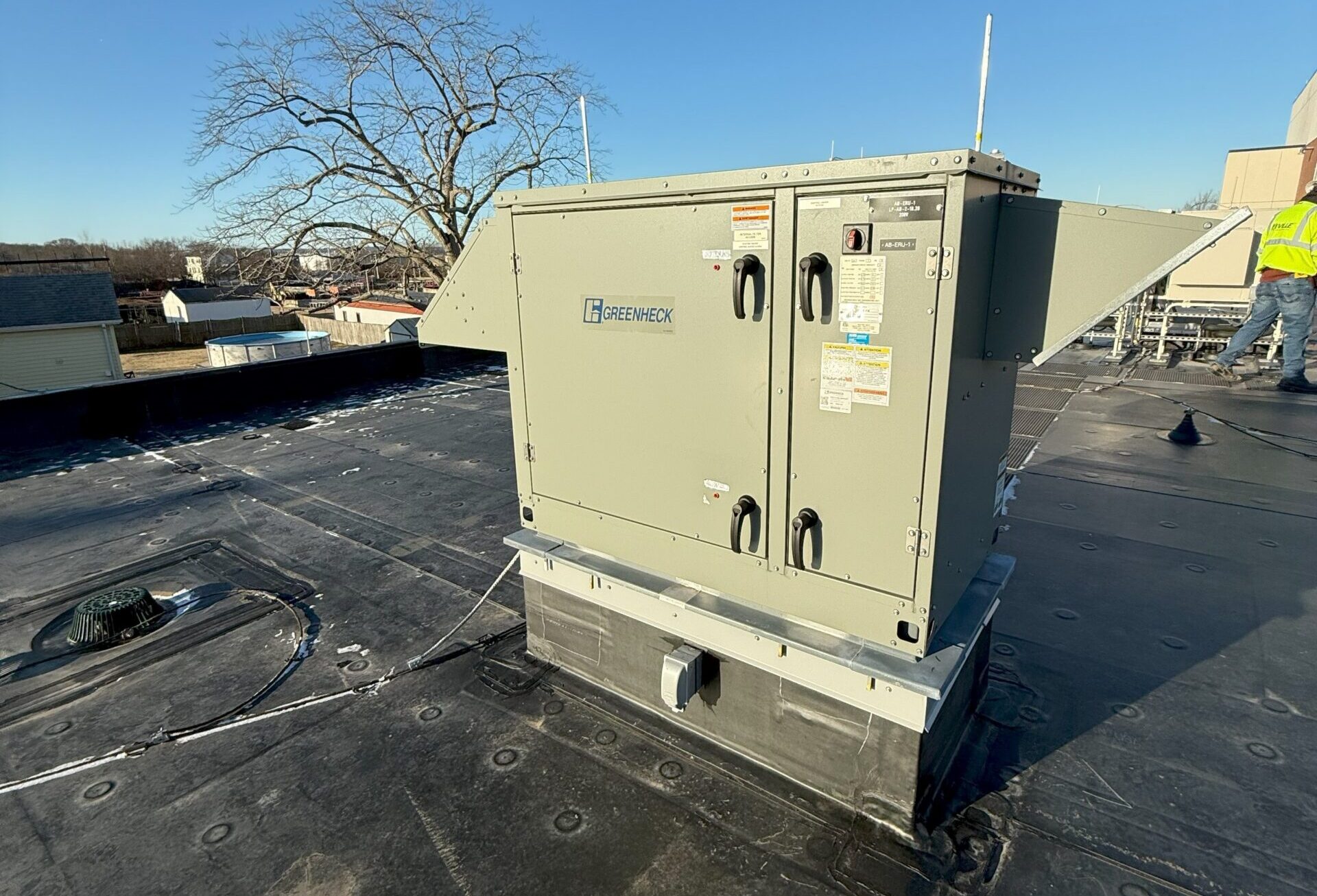
Learning objectives
- Understand why decarbonizing HVAC systems is important in the context of global and United States energy consumption.
- Learn how to achieve HVAC decarbonization using a phased, systematic approach.
- Understand how integrating clean energy sources such as sewage waste heat recovery can reduce emissions in buildings.
Decarbonization insights
- HVAC systems account for roughly 40% of total building energy use, making HVAC decarbonization one of the most effective pathways to reduce operational carbon emissions in buildings.
- A phased decarbonization strategy that involves improving energy efficiency, electrifying HVAC systems and integrating clean energy sources can help reduce emissions while minimizing strain on electrical infrastructure.
Decarbonization is a strategic and systematic effort aimed at reducing and removing fossil fuels and their associated carbon emissions from the environment. Decarbonization is aimed at creating a cleaner, healthier and safer environment for current and future generations.
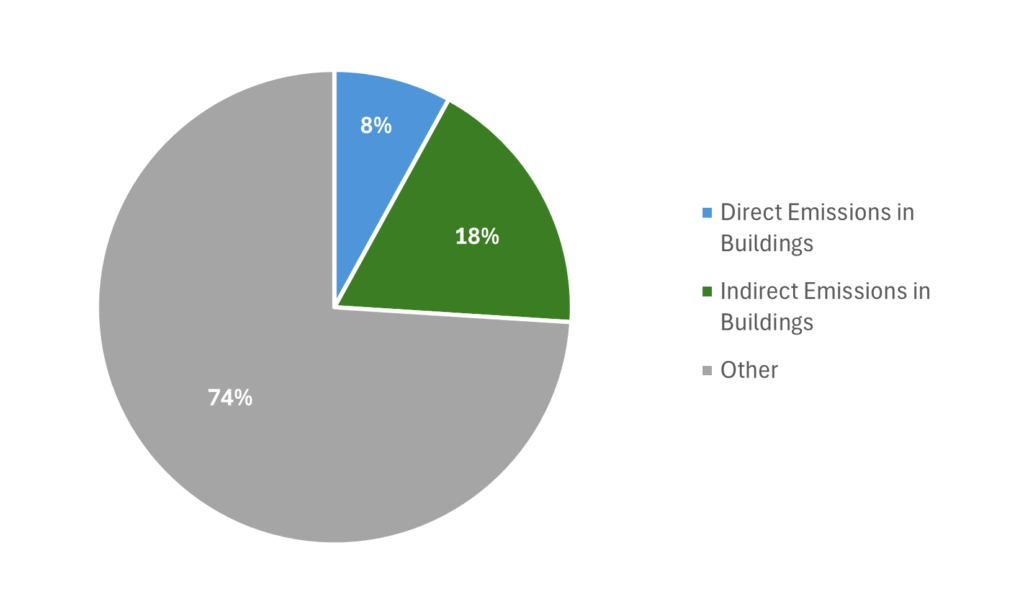
According to the International Energy Agency (IEA), building operations account for 26% of global carbon dioxide (CO2) emissions and 30% of global energy consumption (see Figure 1). Direct emissions from buildings account for 8% of global CO2 emissions, while indirect emissions from the production of electricity and heat used in buildings account for 18%. Buildings are a major contributor to global and United States greenhouse gas emissions, even more than transportation or agriculture. According to the U.S. Environmental Protection Agency (EPA), the building sector accounts for 31% of emissions in the United States.
Building decarbonization must target both embodied carbon and operational carbon. As defined by the ASHRAE Center of Excellence for Building Decarbonization, embodied carbon is the amount of carbon emitted over a building’s life cycle, from construction through end of life, including raw materials and refrigerants. Operational carbon is the amount of carbon emitted from the building during operation, including emissions from energy and water consumption.
Multiple studies from ASHRAE, the U.S. Department of Energy (DOE) and IEA show that heating, ventilation and air conditioning (HVAC) systems typically account for approximately 40% or more of total building energy use. HVAC systems are the largest energy end use in buildings, surpassing lighting as lighting efficiency standards have improved more quickly than HVAC efficiency standards. As a result, HVAC decarbonization is a critical pathway for reducing building-related emissions.
Policy drivers for HVAC decarbonization
Several federal, state and local policies have been implemented to drive the acceleration of HVAC decarbonization. At the federal level, the Inflation Reduction Act (IRA) provides long-term financial incentives for HVAC electrification, energy efficiency retrofits and clean energy integration, significantly lowering the cost barrier to building decarbonization. The Commercial Building Energy Efficiency Tax Deduction (Section 179D) provides support for HVAC, lighting, envelope and water heating upgrades that reduce energy use intensity (EUI). The IRA also includes long-term tax credits for heat pumps, geothermal systems and renewable electricity to support emissions reductions.

At the state and local levels, various governments have enacted stricter policies to accelerate decarbonization, including but not limited to HVAC. Washington State’s Clean Buildings Performance Standard (CBPS) mandates energy performance targets for existing buildings, compelling HVAC system or control upgrades where heating, cooling and ventilation energy use exceeds established EUI thresholds. The CBPS requires compliance with ASHRAE Standard 100: Energy Efficiency in Existing Buildings (2018) energy performance targets.
New York City’s (NYC) Local Law 97 established building-level carbon emissions caps for buildings over 25,000 square feet, starting in 2024, with stricter limits taking effect in 2030. According to NYC Department of Buildings, more than two-thirds of greenhouse gas emissions come from buildings in the city, making HVAC electrification and efficiency upgrades essential for compliance in large commercial and residential buildings.
HVAC decarbonization
It is crucial for HVAC design engineers to consider and implement decarbonization efforts into HVAC design for both new and existing buildings. A building’s average lifespan is typically between 50 and 100 years, with many structures lasting longer when properly maintained. Mechanical systems typically have a lifespan of 25 years and will be replaced several times during a building’s life. Therefore, HVAC systems provide an opportunity to reduce long-term operational carbon emissions in existing buildings.
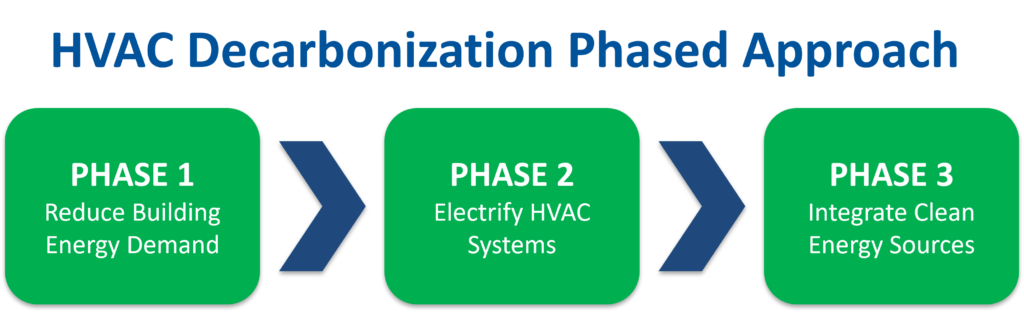
HVAC decarbonization is most efficiently achieved by following a phased process: Reduce energy demand, electrify systems and integrate clean energy sources (see Figure 2). This progression relies on the premise that the most cost-effective and emissions-friendly unit of energy is the one not currently being used. Once energy efficiency measures have been implemented and system and equipment sizes and performance have been optimized, progression would then lead to electrified replacements, followed by clean energy source integration.
By lowering heating and cooling loads first, energy efficiency measures reduce peak electrical demand and enable smaller and more cost-effective electrified systems. Therefore, the scale of renewable energy and required grid infrastructure is minimized. Without aggressive efficiency measures, electrification alone risks increasing energy costs, straining electrical systems and limiting the feasibility of deeper carbon reductions over the building’s remaining lifetime.
HVAC decarbonization: A phased approach
Phase 1: Reducing energy demand (energy efficiency)
Often guided by the energy auditing process, identification and implementation of energy efficiency measures is a critical step to cost-effective decarbonization. Energy efficiency reduces heating and cooling loads, minimizes system sizes and improves operational energy usage.
Energy efficiency measures such as passive design strategies, improving building thermal envelopes and optimizing ventilation strategies can be implemented to reduce a building’s heating and cooling loads.
The Passive House Institute developed the Passive House standard for building performance. To meet the standard, buildings must achieve a 90% reduction of energy needs for heating and cooling and a 75% reduction of overall energy use compared to conventional building construction. Passive design strategies reduce energy loads by shaping the building form and thermal envelope to work with local climate conditions. Strategies such as building orientation, shading, high-performance thermal envelopes, daylighting and natural ventilation limit unwanted heat loss and solar heat gain to passively reduce heating and cooling loads.
The building envelope includes windows, doors, walls and the roof, which have associated heat transfer characteristics that depend on the type of construction material. ASHRAE Standard 90.1: Energy Standard for Buildings Except Low-Rise Residential Buildings outlines requirements in Chapter 5, “Building Envelope.” The International Energy Conservation Code (IECC) outlines thermal envelope minimum requirements based on climate zones, as listed in Section C402, “Building Envelope Requirements.” Improving a building’s thermal envelope reduces its cooling, heating and energy loads.
Optimizing ventilation strategies including demand-control ventilation (DCV) and heat recovery can significantly reduce energy consumption without compromising indoor air quality. DCV is implemented by modulating outdoor air intake based on real-time indicators of occupancy such as CO2 sensors. ASHRAE Standard 62.1: Ventilation and Acceptable Indoor Air Quality provides requirements for mechanical and natural ventilation systems including DCV.
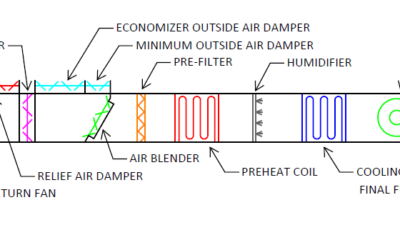
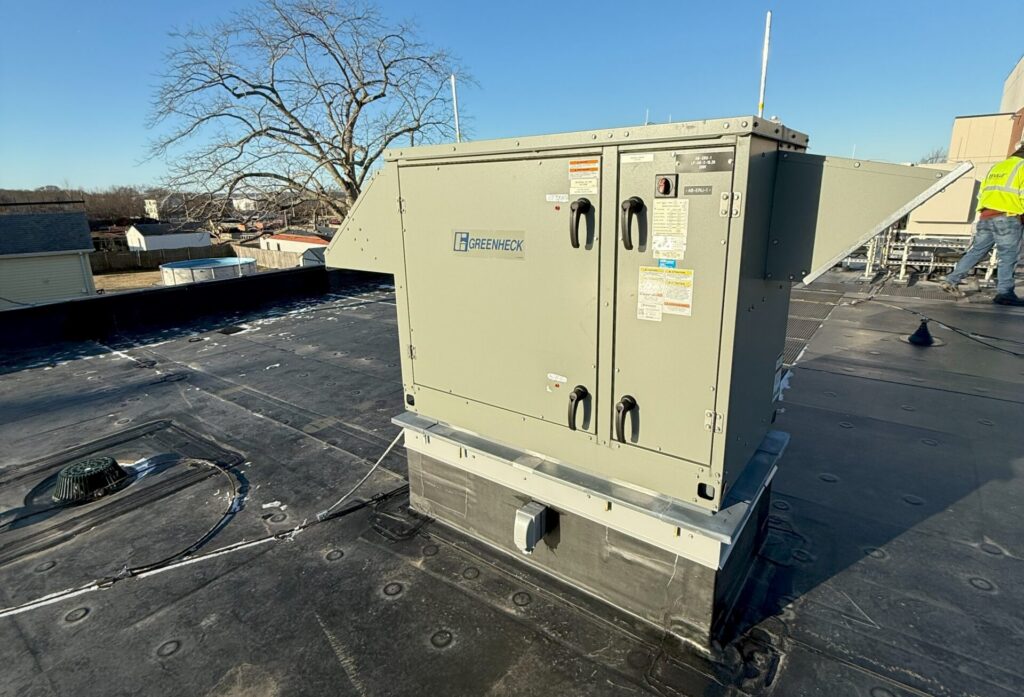
Heat recovery is typically integrated through air-to-air energy recovery ventilators (ERVs), such as enthalpy wheels and plate heat exchangers (see Figure 3). ERVs exchange heat with leaving exhaust air to preheat or precool outdoor air in the air handling unit (AHU). ERVs that also allow moisture transfer facilitate the transfer of latent energy, reducing humidification loads. Harnessing energy recovery reduces the requirement size for the heating coil and consequently also reduces the amount of energy consumed to operate the unit, as compared to a typical AHU. The IECC outlines requirements for providing energy recovery for ventilation systems in Section 403.7.4, “Energy Recovery Systems.”
By lowering both peak and annual heating and cooling energy through these measures, HVAC systems can be smaller and operate more efficiently. Energy consumption can be further improved in existing buildings through energy audits targeting operational energy consumption.
Through the energy audit process, a wide range of measures are often identified that can improve system operational efficiency without major capital investment for retro-commissioning. These measures frequently include optimization of temperature, pressure and ventilation setpoints and refinement of control sequences to better align equipment operation with occupancy and load profiles. Correcting set points and building schedules can eliminate unnecessary runtime.
Energy audits also commonly uncover faulty or degraded equipment such as malfunctioning sensors, stuck dampers, failed actuators or improperly operating variable-speed drives, which prevent systems from operating as intended and increase energy consumption. Systems that would benefit from commissioning or retro-commissioning are commonly identified through energy audits. By addressing these operational and control-focused deficiencies, building owners can achieve measurable reductions in energy use while improving occupant comfort and extending equipment life.
Incorporating these energy efficiency strategies reduces energy consumption and supports the transition to fully electric systems.
Phase 2: Electrifying systems and grid decarbonization
While an existing HVAC system can be replaced with an electrified alternative, doing so may not make fiscal sense unless energy efficiency has been maximized. After system performance has been maximized, if further decarbonization is required, equipment replacement with clean, electricity-driven equipment is warranted.
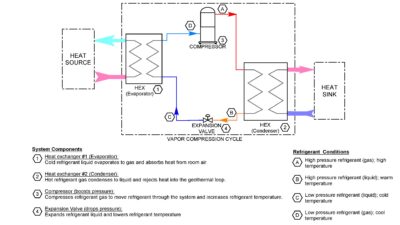
In commercial buildings, electrification targets space heating and water heating, where combustion equipment drives both energy use and direct on-site emissions. Electrifying HVAC systems replaces on-site fossil fuel combustion such as gas boilers, furnaces and water heaters with electric technologies. Of the available HVAC electric technologies, heat pumps are one of the most impactful solutions.
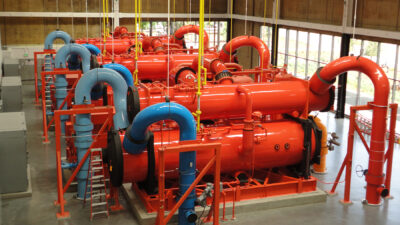
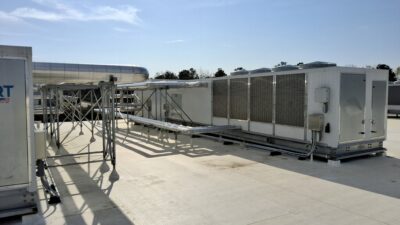
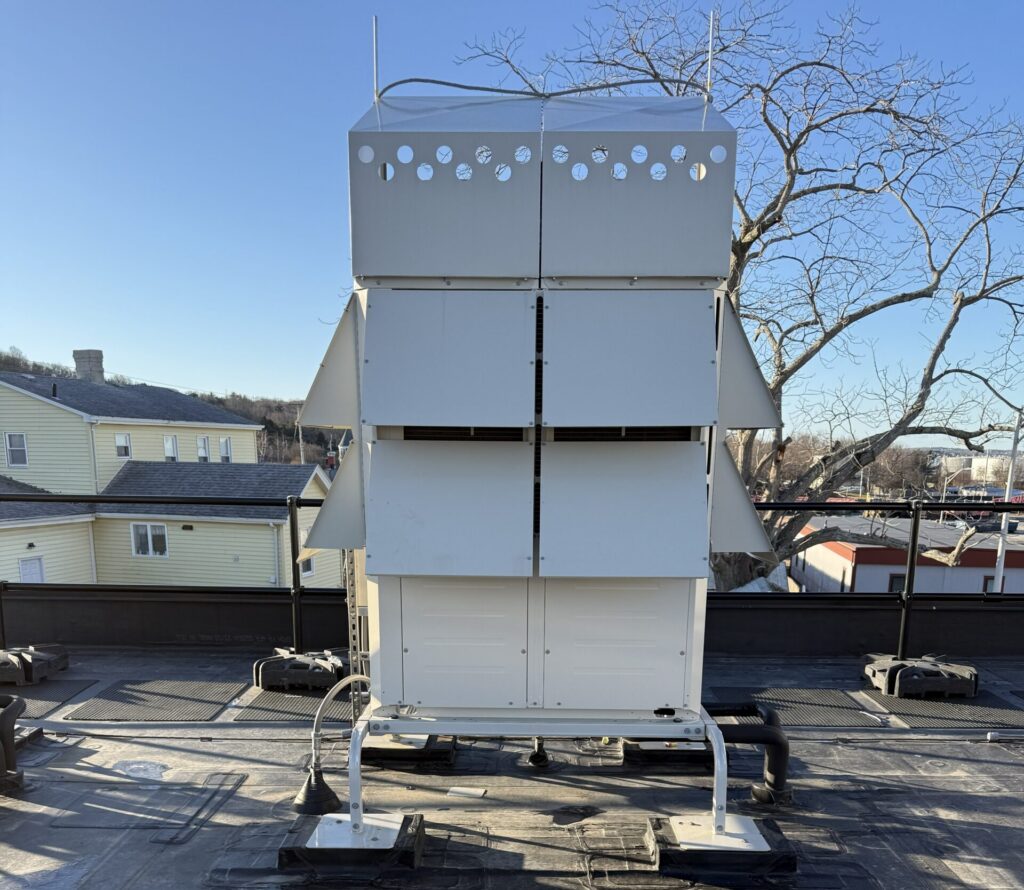
Heat pumps can deliver the same thermal services at substantially higher efficiencies, especially when operating at part load. Combustion technologies are limited to 80% efficiency, whereas heat pumps can transfer more heat than the electricity they consume; therefore, they are three to five times more efficient than traditional gas boilers, according to IEA. The DOE’s Better Buildings’ guidance highlights this as a key decarbonization strategy, although electrification adaptation varies by region, climate, utility rates, existing systems and building conditions (see Figure 4).
Decarbonization of HVAC electrification depends on how electricity is produced in the region where the building is located. Electricity produced from traditional fossil fuels, such as coal and oil, will have higher emission rates than cleaner energy resources, such as wind and solar. The EPA publishes emission rates and resource mixes for electricity generation across the United States in the Emissions & Generation Resource Integrated Database (eGRID). Depending on the eGRID subregion and energy resource mix, electrification systems have different emissions reductions. Looking forward, grid emissions will change over time as more clean energy sources are integrated into the energy resource mix.
Phase 3: Integrating clean energy sources
In addition to reducing energy demand and electrifying equipment, incorporating clean energy sources and technologies is important to achieve overall decarbonization goals. Clean energy generation technologies, such as wind and solar, generate clean electricity for building consumption, but waste heat recovery is also an important strategy for reducing or removing fossil fuel combustion in HVAC applications.
While industrial processes and data centers often provide opportunities for waste heat recovery, these are not thermal sources that are widely available for the general building stock. For residential buildings, sewage waste heat recovery is a viable and widely available option.
Sanitary streams leaving buildings are typically 55°F to 75°F year-round, offering a stable thermal energy resource for HVAC applications. The temperature can increase depending on processes in the building, such as hospitals with steam loads. Sewer system infrastructure is also an available thermal energy source. Sanitary streams, whether captured behind the meter at the building or directly using larger main sewer lines within the street, can provide domestic hot water for individual buildings with a heat pump or can be used as heat injection and/or heat rejection sources for networked or district thermal systems using heat exchangers.
Benefits of an integrated approach
Achieving meaningful reductions in building operational carbon requires an integrated approach that prioritizes energy efficiency before transitioning to electrified and low-carbon HVAC systems. Because buildings are long-lived assets and mechanical systems are replaced multiple times over their lifespan, design decisions made during each retrofit have long-term implications for energy use, emissions and system performance. Energy efficiency measures to reduce building heating and cooling loads and energy consumption are the foundation of this approach.
Reducing heating and cooling loads through thermal envelope improvements, ventilation optimization and operational refinement enables HVAC systems to be smaller and operate more efficiently. These reductions are particularly important as buildings electrify, as unmanaged load growth can increase peak electrical demand, strain existing electric infrastructure and require carbon-intensive electrical generation.
Once energy has been reduced as much as practical, electrification of HVAC systems can be pursued more effectively and cost-efficiently. High-performance heat pump technologies, low-temperature distribution systems and advanced controls are best applied in buildings with reduced loads. Continued improvements in grid decarbonization increase the emissions benefits of electrified systems over time, further reinforcing the importance of early efficiency investments. Commissioning and ongoing performance verification remain critical throughout the process, ensuring that systems operate as designed and continue to deliver energy and emissions savings in practice rather than only in design models.
Ultimately, HVAC decarbonization is not a single technology choice but a phased, systems-level strategy that integrates efficiency, electrification and clean energy over time. By focusing first on reducing operational energy demand, design teams can improve comfort, resilience and affordability while creating a clear and achievable pathway to low-carbon building operation. This approach aligns near-term economic objectives with long-term climate goals, ensuring that each incremental investment moves the building closer to net-zero performance rather than locking in avoidable energy use and emissions.