In this roundtable, engineers discuss the most important trends for K-12 school buildings and how educational design is adapting to meet future needs.
LEARNING OBJECTIVES
- Understand how indoor air quality, acoustics and thermal comfort strategies support student health and learning outcomes in K-12 facilities.
- Learn how engineers are designing flexible, future-ready systems to support evolving curricula, technical education spaces and changing classroom uses.
- Identify how electrification, resiliency planning and integrated building systems are shaping energy-efficient K-12 school design across diverse climates.
K-12 BUILDING INSIGHTS
- K-12 school design increasingly prioritizes health, flexibility and resilience, with enhanced ventilation, air quality monitoring and adaptable systems that support learning.
- Electrification, renewable energy integration and scalable power and data infrastructure are driving schools toward net-zero-ready designs while accommodating future instructional needs.
RESPONDENTS:
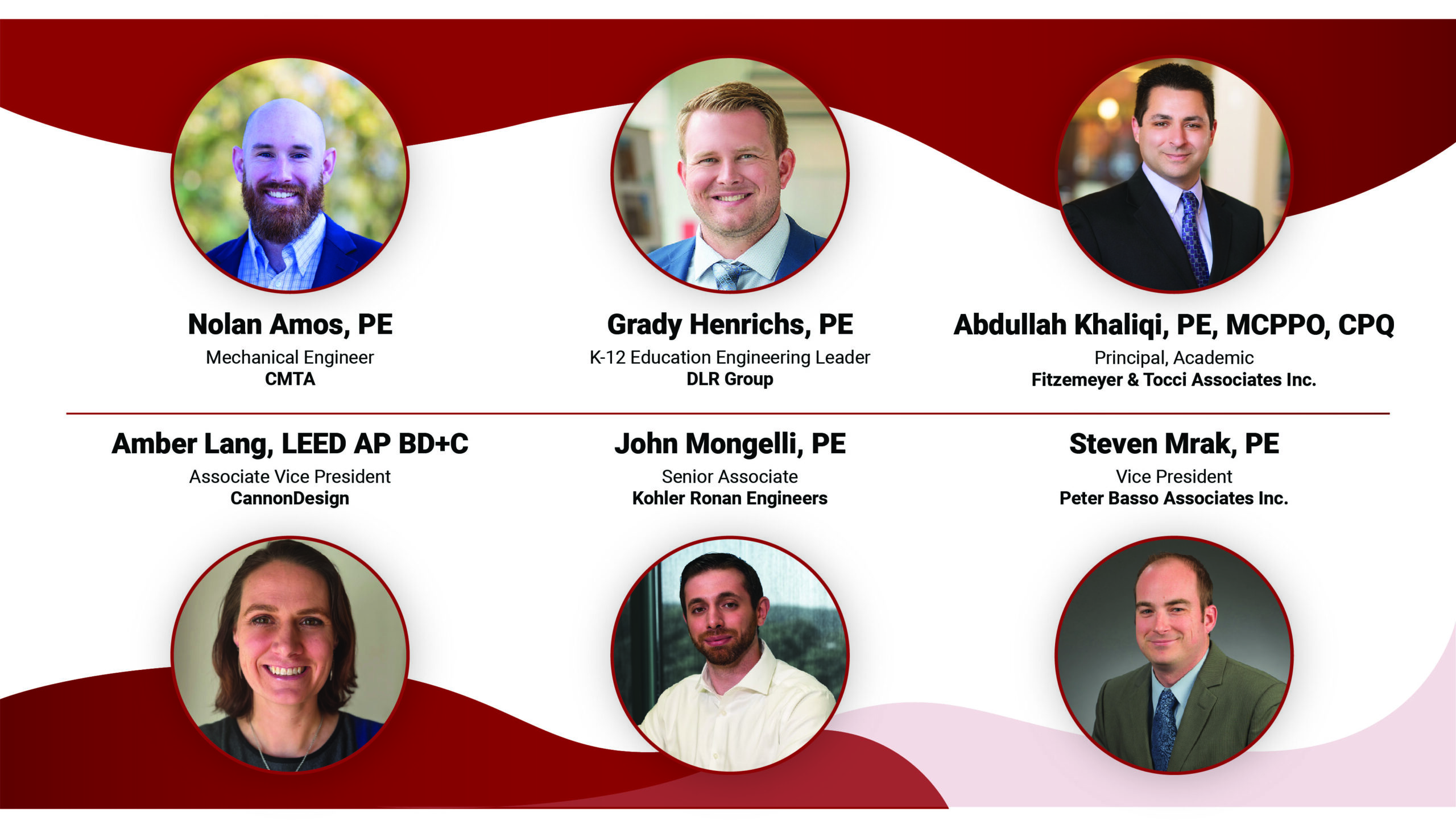
- Nolan Amos, PE, Mechanical Engineer, CMTA, Golden, Colorado
- Grady Henrichs, PE, K-12 Education Engineering Leader, DLR Group, Omaha, Nebraska
- Abdullah Khaliqi, PE, MCPPO, CPQ, Principal, Academic, Fitzemeyer & Tocci Associates Inc., Woburn, Massachusetts
- Amber Lang, LEED AP BD+C, Associate Vice President, CannonDesign, Chicago
- John Mongelli, PE, Senior Associate, Kohler Ronan Engineers, Danbury, Connecticut
- Steven Mrak, PE, Vice President, Peter Basso Associates Inc., Troy, Michigan
What are the current trends in K-12 school projects?
Nolan Amos: Efficient, well-designed buildings that foster connection and strengthen communities are in high demand. Now more than ever, clients require an experienced partner to guide them through the complex environment surrounding their schools. Budgets are stretched thin with skyrocketing labor and construction costs continue to rise, while communities demand increased energy efficiency and higher-performing heating, ventilation and air conditioning (HVAC) systems. As engineers, we must consider the human environment and design for flexibility, adaptability and resilience. This means creating multifunctional after-school spaces, addressing security needs and providing HVAC systems that can be adjusted or expanded as district requirements change.
Grady Henrichs: Flexibility and adaptability of learning spaces have become essential to educational design. These dynamic environments support individual learning cycles, facilitate applied learning across all age groups and better prepare students for diverse career trajectories. We are experiencing rapid growth in the design of career and technical education (CTE) spaces, and not only in the traditional focuses on woodworking, shop classes or welding. Several new CTE fields in areas such as healthcare and robotics are emerging that require heavy infrastructure considerations.
Abdullah Khaliqi: Current K-12 trends center on health, flexibility and sustainability. Schools are prioritizing improved indoor air quality (IAQ) with enhanced ventilation, MERV‑11+ filtration and carbon dioxide (CO₂)-based demand-controlled ventilation (DCV). Energy efficiency is advancing through efficient HVAC systems, LED lighting with smart controls and heat recovery. There is also emphasis on flexible learning spaces requiring adaptable power and data infrastructure. Decarbonization goals are influencing electrified designs and integration of renewables. Safety and security integration (such as mass notification, access control and fire/life safety coordination) is a growing focus.
Amber Lang: Current trends in K-12 school projects emphasize flexibility, creativity and stronger system integration. Spatially, districts are investing in maker spaces, outdoor learning environments and flexible classrooms that support collaboration, hands-on learning and multiple teaching styles. These spaces are designed to adapt over time rather than serve a single function. At the same time, there is greater integration between building and technology systems, allowing lighting, HVAC and audio visual (AV) to work together to support comfort, efficiency and evolving educational models.
John Mongelli: We have noticed a strong push toward eliminating on-site fossil fuel equipment and requiring solar photovoltaic (PV) panels, essentially driving designs toward net-zero-energy buildings.
Steven Mrak: Student health and IAQ remain top priorities for Michigan school districts, with a strong emphasis on measuring and controlling air quality, not just meeting ventilation rates. IAQ monitoring for CO₂, volatile organic compounds and fine particulate matter of 2.5 micrometers or smaller is increasingly tied into building automation systems (BAS) to help manage long heating seasons while balancing energy use. Higher-efficiency filtration and DCV are commonly requested to support healthy learning environments and winter performance.
Energy efficiency and electrification continue to gain attention, though districts typically take a practical, cold-climate approach. High-efficiency boilers, energy recovery ventilators, hybrid or selective heat pump applications and enhanced controls are widely used, with a strong focus on reliability and ease of operation due to limited facilities staffing. Electrical system capacity and resiliency are also key considerations. Increased power demand from technology, security systems and future electrification is driving upgrades, while emergency generators remain a long-lead item, often requiring early procurement.
Recent updates to Michigan’s energy code have increased commissioning requirements, making formal mechanical, electrical and plumbing (MEP) commissioning a more consistent expectation on K-12 projects. Districts and design teams are placing greater emphasis on early coordination between engineers, contractors, controls vendors and commissioning agents to ensure systems are tested, documented and operating as intended prior to occupancy.
What future trends should engineers expect?
Steven Mrak: One trend I’m keeping an eye on is the almost “micromanaging” of IAQ and individual spaces. Artificial intelligence integration into building management systems is coming, if not already implemented in some ways. Beyond measuring IAQ with air quality monitors, room sensors can count the number of occupants within a space and can vary the outside air provided accordingly. Finding this balance point of IAQ and building energy use will always be on the mind of engineers and building operators. As different types of sensors become available and more widely used, the additional data provided can be used to operate our buildings most efficiently.
Nolan Amos: Engineers should expect a continued push toward high-performance building design. Communities and superintendents are looking for ways to reduce operational budgets and net-zero buildings drastically reduce utility costs. In addition to delivering efficiency, high-performance building design must promote quality learning environments by minimizing background noise, increasing outdoor air and improving daylighting and biophilia elements, to name a few. Engineers are being challenged to develop adaptable solutions that maximize the built environment and are resilient to unforeseen challenges.
Grady Henrichs: Accommodating the flexibility needed in modern schools requires several engineering solutions, with acoustic considerations being at the forefront of many design discussions. While sustainability is still a major conversation on most projects, resiliency is becoming a larger consideration for many owners. We are also experiencing a period where aging school infrastructure is requiring major renovation of engineering systems within existing buildings. Upgrading to LED lighting and mechanical system updates can greatly improve the learning environment while reducing energy consumption.
Abdullah Khaliqi: Engineers should expect continued emphasis on healthy buildings, including touchless controls, advanced filtration and real-time IAQ monitoring tied into building management system platforms. Electrification and low-carbon HVAC systems like heat pumps are growing as districts pursue decarbonization goals. Smart, integrated controls linking lighting, HVAC, security and occupancy data will become more common. Expect more resilient power infrastructure, including electric vehicle (EV) charging, battery storage and microgrid readiness. Plumbing designs will increasingly include high-efficiency fixtures to conserve resources. Flexibility for future learning models (requiring adaptable power, data and acoustical design) will continue shaping mechanical, electrical and fire protection systems.
Amber Lang: Looking ahead, engineers should expect deeper integration between building systems, including HVAC, AV, lighting and security, with data shared across platforms to improve performance and user experience. Electrification will continue to drive higher power demands through all-electric buildings, EV charging infrastructure and increased receptacle density to support flexible classrooms and evolving technology. These trends will require early coordination, scalable infrastructure and designs that can adapt as educational and technology needs continue to evolve.
John Mongelli: With several states already adopting versions of the International Green Construction Code — and more expected in coming years — energy conservation and decarbonization have become top priorities. Coupled with growing net zero and LEED goals, this has driven a trend toward implementing efficient heat pump technologies and passive energy-saving measures.
What are engineers doing to ensure such projects (both new and existing structures) meet challenges associated with emerging technologies?
Abdullah Khaliqi: To meet the challenges of emerging technologies, engineers are designing flexible infrastructure with scalable power and HVAC systems. This includes extra conduit capacity, distribution panels with spare capacity and network-ready controls for future integration of smart devices or learning technologies. HVAC systems are specified with open protocol BAS and cloud-connected analytics for performance tracking. Lighting and AV systems are often device agnostic, supporting plug and play upgrades. In existing buildings, engineers use wireless sensors and noninvasive retrofit strategies to minimize disruption. Collaboration with information technology (IT), facilities and instructional technology teams is key to aligning designs with evolving classroom needs and future proofing performance.
Amber Lang: Engineers are planning for emerging technologies by designing K-12 facilities with flexibility, scalability and future readiness in mind. This includes providing oversized conduit pathways, extra receptacles, robust wireless infrastructure and modular systems that can accommodate new devices or upgrades without major renovations. For both new and existing buildings, we carefully coordinate mechanical, electrical and IT systems to support AV, internet of things and smart building technologies. Early integration of cybersecurity, cloud connectivity and interoperability standards ensures systems remain secure, adaptable and efficient.
Nolan Amos: Addressing the challenges of emerging technologies starts with strong communication and a clear understanding of project goals. As engineers, we serve as trusted advisors and are the experts in the room when it comes to making critical design decisions, such as enhancing the architectural envelope, optimizing building orientation or understanding how a new refrigerant could impact equipment maintenance. Many districts are hesitant to move away from traditional systems due to familiarity and apprehension. Through continuous learning and staying current with industry advancements, we can share insights and educate design partners and building owners about the advantages and disadvantages of new systems — ones that are often more cost-effective, energy efficient and easier to maintain.
John Mongelli: Becoming familiar with emerging technologies is important. New HVAC equipment being offered in the United States has often already been implemented in other parts of the world. As an engineer, it is critical to understand how this new technology should be integrated into a design and, more importantly, to consider the availability of trained technicians and replacement parts before specifying any equipment.
Tell us about a recent project you’ve worked on that’s innovative, large-scale or otherwise noteworthy.
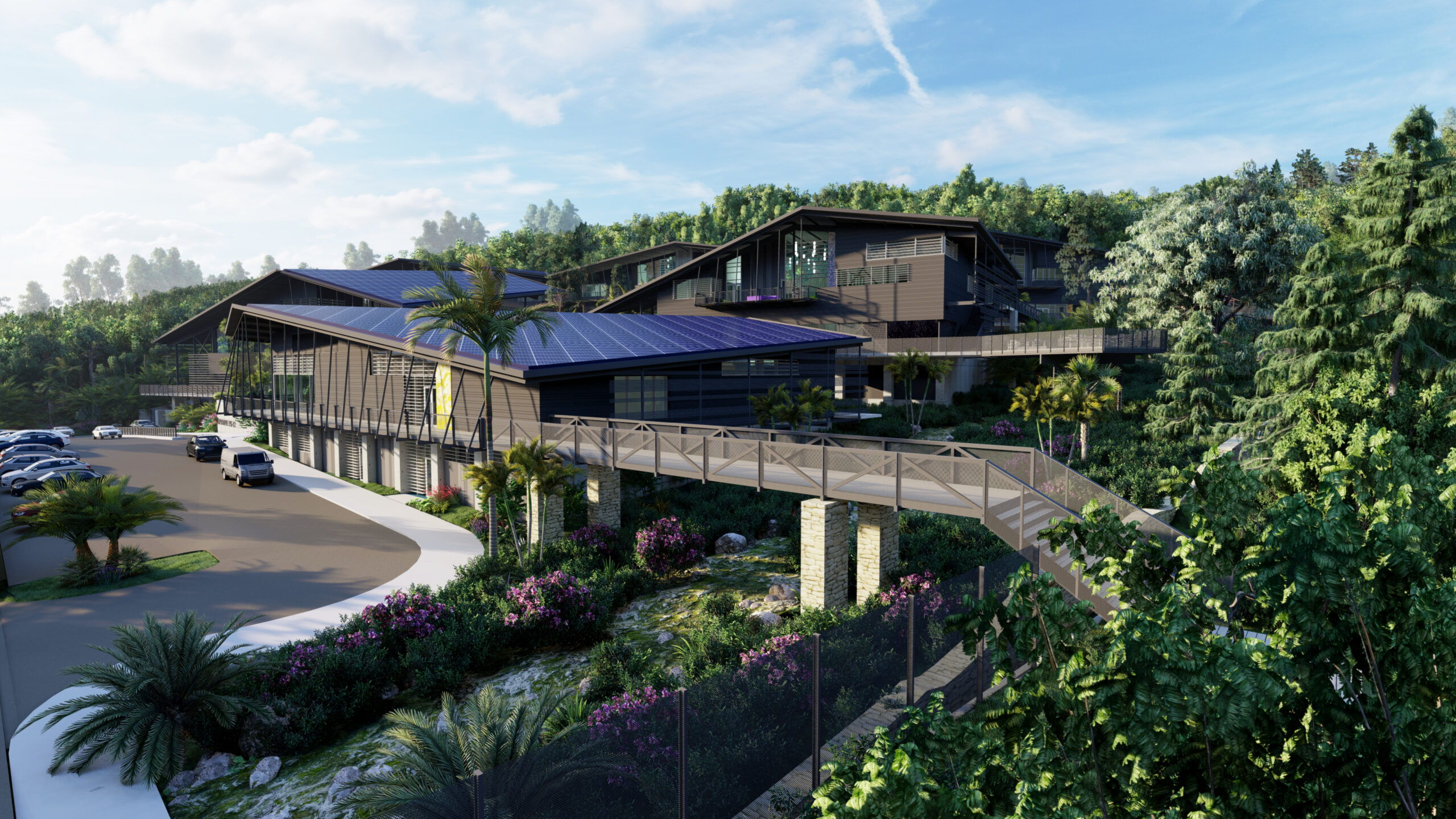
Grady Henrichs: Our teams are working on over 20 projects for the U.S. Virgin Islands Department of Education. Many of these schools were damaged by Hurricanes Irma and Maria and are rapidly deteriorating from the tropical environment, so resilience and energy efficiency are key components of the school designs. The new schools are designed to be off grid with electricity provided by PV arrays with two hours of battery backup.
Nolan Amos: CMTA has over 200 million square feet of K-12 design experience nationwide. One of our more recent projects is Bard Early College High School, which involved the full renovation and modernization of a worn-down elementary school in downtown Washington, D.C. To achieve the project’s net zero energy goals, we worked closely with the architect to determine the best wall systems. We also optimized the building envelope for cost and energy efficiency through various energy simulations, infiltration rate calculations, R-value assessments (measuring thermal resistance) and constructability and life-cycle cost analyses. To provide a resilient, high-performance HVAC system, the building used a geothermal water-source heat pump. This system significantly reduced energy consumption and boosted IAQ with DCV. Currently, the building is operating at an energy use intensity of 20. Read more here.
Another recent, noteworthy project is North Chicago School District’s Forrestal Elementary School at Naval Station Great Lakes. In response to aging infrastructure, inadequate access to drinking water and other concerns, the district sought to construct a state-of-the-art replacement facility funded by the U.S. Department of Defense Public Schools Military Installation Grant. The building will feature modern classrooms, specialized spaces for art and music, a gymnasium and energy-efficient systems, including a 525-kilowatt (kW) solar array to achieve net zero energy performance. Designed by CMTA with a strong focus on sustainability, safety and adaptability, the project incorporates advanced MEP/fire protection engineering, energy conservation strategies and compliance with anti-terrorism/force protection security standards. Notably, the building is expected to achieve an impressive energy use intensity of just 21, setting a benchmark for high-performance educational facilities and demonstrating a commitment to creating an optimized learning environment for K-3 students.
Amber Lang: For Los Angeles Unified School District (LAUSD), we worked on the Sun Valley Bus Yard, a seven-acre transportation facility that supports approximately 200 school buses and includes administrative offices, maintenance garages, fueling stations and staff parking. Our team designed a comprehensive electrification and EV charging solution to support LAUSD’s transition to zero-emission transportation. The project includes EV charging infrastructure for 175 electric school buses, eight white-fleet vehicles and replacement of six existing Level 3 chargers. In total, the system consists of 61 Level 3 chargers, 114 Level 2 bus chargers and eight Level 2 white-fleet chargers, along with associated infrastructure upgrades and accessibility improvements.
In addition to vehicle charging, the design integrates a 500-kW photovoltaic system and a 500-kW stationary battery energy storage system operating under Los Angeles Department of Water and Power (LADWP) Net Energy Metering. The project also includes infrastructure that enables future participation in LADWP’s Commercial Energy Storage to Grid pilot program, the nation’s first municipal utility vehicle-to-grid and energy storage-to-grid initiative. A major challenge was coordinating closely with LADWP to upsize electrical service, including adding two new 400-amp services, while ensuring system reliability, phasing and long-term scalability. The key players are CannonDesign and LAUSD and the project is currently under construction.
John Mongelli: Kohler Ronan designed the first new net-zero K-4 school in Connecticut, which employs a closed-loop geothermal system connected to local water-to-air heat pumps for space conditioning, along with a centralized dedicated outdoor air system for ventilation. All major equipment was designed to be indoors to maximize available roof area, allowing large-scale solar PV arrays to be integrated and thereby offsetting the building’s total energy use.
How are engineers designing these kinds of projects to keep costs down while offering appealing features, complying with relevant codes and meeting client needs?
Abdullah Khaliqi: We focus on right-sizing systems, using life cycle cost analysis to select efficient, durable equipment that meets performance goals without overdesign. To reduce costs, we standardize components where possible and incorporate prefabricated assemblies for quicker installation. Engineers coordinate early with architects and contractors to simplify layouts and reduce material and labor waste. Compliance with codes like ASHRAE Standard 90.1: Energy Standard for Buildings Except Low-Rise Residential Buildings and International Energy Conservation Code is achieved through energy modeling and value engineering strategies. Features like smart lighting, natural ventilation and demand-based controls help meet both sustainability and user comfort goals while staying within budget. Stakeholder engagement ensures solutions align with educational needs.
Nolan Amos: Reducing costs starts with identifying clear project goals from the beginning. These goals drive design decisions toward a budget, keeping every discipline in check. Working in partnership with the architect and owner helps shift costs and enables informed decisions to better impact the overall project. High-performance buildings require a clear vision and extensive collaboration among the project team.
Grady Henrichs: Energy modeling has become a crucial decision-making tool, allowing designers to quickly analyze how design decisions affect system life cycle costs. In many cases, we are working to shift the narrative that energy-efficient buildings require increased first costs. In some cases, tax code changes now allow public and nonprofit schools to claim geothermal tax credits through direct pay. This has made geothermal systems more financially accessible, enabling schools to install more energy-efficient buildings at a lower first cost compared to more traditional systems.
Amber Lang: Engineers balance cost, function and aesthetics in K-12 projects by taking a holistic, strategic approach to design. Early coordination between disciplines helps identify opportunities to streamline systems, reduce redundancies and optimize materials without compromising code compliance or quality. We prioritize scalable and flexible infrastructure, energy-efficient lighting and shared mechanical systems that support evolving educational needs and maintain durability and long-term performance. Design strategies focus on features that enhance the learning environment, such as daylighting, acoustics and user-friendly technology.
John Mongelli: Locating mechanical equipment centrally within the building, such as ventilation units, can allow for smaller duct mains to serve the building wings. This helps to reduce costs and accommodate higher ceilings. While many high-performance schools have pursued geothermal systems, consider using water-to-air equipment in lieu of hot- and chilled-water systems when possible. This approach allows for a single-pipe loop throughout the building instead of two, helping keep costs down.
Steven Mrak: One of the best ways to keep costs down while meeting client needs is to work closely with the district’s facility manager to get a solid understanding of their expectation for the performance of MEP systems. It’s also important to understand their maintenance budget and capabilities, as many facility directors are being asked to do more with less staff and budget. With this knowledge, the engineering team can work with the district to come up with MEP solutions that will meet their needs now and in the future. This is often accomplished by making the choice to pay more upfront for a higher quality piece of equipment or feature, which will ultimately pay dividends later with reduced maintenance costs.
As classroom needs change, how are you adapting learning environments for different uses and learning styles?
Steven Mrak: A student’s primary focus in the classroom is learning, and MEP system design should support that goal by reducing distractions and enhancing overall comfort. Lighting systems with color-tuning capabilities can be especially beneficial for students with autism, attention-deficit/hyperactivity disorder or other neurodevelopmental conditions. Teachers can adjust color temperature to support different activities — using cooler light during testing or tasks that require heightened alertness and warmer light afterward to help students relax and transition following periods of intense engagement.
Nolan Amos: Classrooms of the 21st century thrive on adaptability and our designs prioritize flexibility to support evolving teaching methods and learning styles. By engineering solutions that incorporate quality daylighting, acoustics, ventilation and thermal comfort, we create high-performance environments that foster both focus and creativity. Strategic placement of outlets and data drops enables teachers to seamlessly maneuver technology and reconfigure spaces to meet diverse needs. Our goal is to empower educators with classrooms that inspire and adapt to their vision.
Grady Henrichs: Many studies have shown how proper acoustical environments can positively impact the ability to learn. Flexible learning spaces have created unique challenges in that regard. We have found solutions to accommodate the sound levels for when a space is operating as an individual classroom or when it has expanded into a larger area. Another example is the use of tunable lighting, allowing educators to adjust the warmth/coolness of classroom lighting to align with the activity.
Abdullah Khaliqi: To support evolving classroom needs and learning styles, we design flexible infrastructure that accommodates varied layouts and technology. This includes considered HVAC zoning, adjustable lighting and distributed power and data to support different room configurations whether it is lecture style, collaborative pods or hybrid learning setups. We often specify low-voltage or universal power lighting for easy reconfiguration and plug and play AV systems that allow teachers to adapt to different teaching modes. Mechanical systems are sized to accommodate partial occupancy, improving energy efficiency. By engaging educators and IT teams early, we ensure systems meet both functional needs and long-term adaptability without costly retrofits.
Amber Lang: As classroom needs evolve, we adapt learning environments by designing in flexibility from the infrastructure level. This includes providing larger conduit pathways between teacher stations, the front of the classroom and overhead locations to support future technologies. We also plan for increased connectivity by incorporating additional wireless access points and receptacles to accommodate evolving devices and teaching methods. By building in this capacity upfront, classrooms can support a range of learning styles and instructional models without requiring major renovations.
John Mongelli: We are providing technology infrastructure that can easily adapt to the constantly changing needs of AV and technology systems commonly found in modern classrooms. This may include distributed power and data, enhanced Wi-Fi and flexible conduit pathways to accommodate future IT upgrades.