Understand why training young engineers to achieve clients’ goals to design integrated building systems can make all the difference.
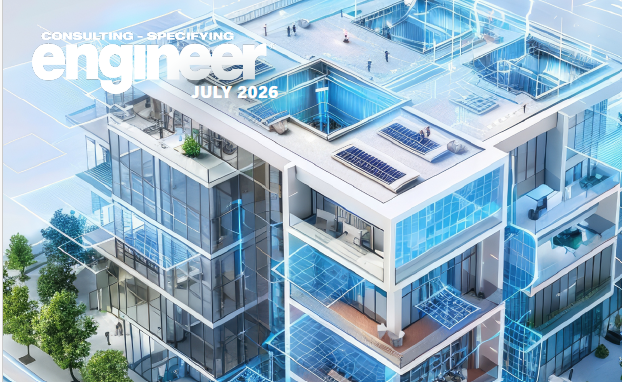
Mechanical, electrical, plumbing (MEP) and fire protection engineers are being asked to do more with integrated building systems as the profession is under internal pressure. This year’s State of Integrated Building Systems findings make that point: Owners are requesting integrated systems more often, with survey respondents indicating a 14% increase over last year’s results. At the same time, respondents indicate that barriers to successful integration are becoming more human and organizational, not just technical.
Two findings stand out: Limited employee skills and knowledge to operate technology rose 10 percentage points from last year, reaching 40%. At the same time, the share of respondents who said building owners and consulting engineers need better alignment around ongoing support and training climbed 11 points to 55%. Those are not minor shifts.
Together, they suggest an industry that understands the value of integration but is increasingly aware that successful outcomes depend on whether engineering teams have the knowledge, confidence and communication skills to guide clients beyond design intent and into long-term performance.
That concern should resonate across MEP engineering firms, especially as they navigate succession planning and knowledge transfer among senior leadership. The survey did not measure workforce age directly, but the broader industry context is hard to ignore.
Across engineering, firms have been contending with retirements and the challenge of moving long-standing knowledge to the next generation quickly enough to meet demand. With integrated building systems, that knowledge is not limited to design fundamentals. It includes controls logic, interoperability, commissioning, cybersecurity awareness and the ability to explain operational value to owners.
This is where artificial intelligence (AI) joins the conversation, not as a replacement for engineering judgment, but as a force multiplier. AI can help firms organize and interpret operational data, identify patterns in building performance, support fault detection and improve the speed and quality of analysis tied to integrated systems. In an environment where experienced leaders may be stretched thin and younger staff need faster development, AI can help close part of the gap by making complex operating information more accessible and actionable.
But AI will not solve the workforce problem on its own. Firms still need to invest in training, mentorship and hands-on development. They need to give younger engineers exposure to real integration challenges, not just design documents. They need senior professionals to transfer practical knowledge before it leaves the organization. And they need to treat operations as a core competency of integrated design, not as an afterthought.
We are seeing an important shift in this market. Integrated building systems are no longer just about connecting technologies. They are about bridging generations of expertise, translating data into value and preparing engineering leaders in a more intelligent building environment. If the profession wants to meet growing client expectations, workforce development must be the center of the conversation.