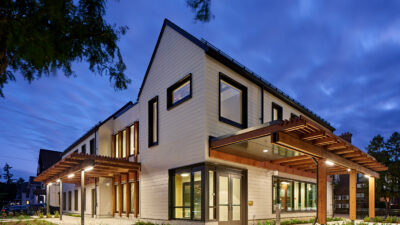
With the construction of a new wastewater treatment facility on Cape Cod, Massachusetts, the project design team successfully met the energy requirements of Massachusetts’s stringent stretch energy codes through a combination of efficient HVAC system strategies, building envelope performance and lighting performance.
In early 2023, CDM Smith began the design of a new wastewater treatment plant located in a town on Cape Cod, Massachusetts. The town had been planning a multiyear wastewater collection, treatment and effluent disposal project that would reduce the nitrogen loading to their waterways and comply with the limit requirements of their groundwater discharge permit (GWDP).
The town submitted a comprehensive wastewater management plan in 2022, which identified the town’s intended 40-year multiphased approach to construct and operate a new collection system and water resource recovery facility. The water resource recovery facility site consists of treatment structures, such as sequencing batch reactor (SBR) tanks, infiltration basins and biological odor control system and multiple buildings, including a headworks facility to provide influent screening, grit removal and sludge thickening; a process building to house equipment required to support the SBRs; and an operations building with maintenance shop, laboratory, control room, locker rooms, offices and other administration support spaces.
The site will ultimately discharge the treated effluent to the groundwater through the infiltration basins on-site and will be regulated by the GWDP.
Currently, Massachusetts adopts the 2021 edition of the International Energy Conservation Code (IECC) as its “base” energy code and an additional above-code appendix to the base code called the stretch code. The stretch code is meant to emphasize energy performance (as opposed to prescriptive requirements) and is designed to result in cost-effective construction that is more energy-efficient than that of the “base” code.
An additional above-code appendix to the stretch code was developed as a result of the Next-Generation Roadmap Act (2021), which moved the authority for the stretch code to the Massachusetts Department of Energy Resources. This code, called the Municipal Opt-In Specialized Energy Code, ensures new construction is consistent with Massachusetts greenhouse gas limits and sublimits, which will be set every five years from 2025 to 2050.
The stretch code is divided into two chapters: 225 CMR 22.00 for low-rise residential buildings and 225 CMR 23.00 for commercial buildings and all other construction.
This Cape Cod town adopts the Massachusetts Stretch Code 225 CMR 23.00, which includes amendments to the 2021 IECC and 2019 edition of ASHRAE Standard 90.1: Energy Standard for Buildings Except Low-Rise Residential Buildings. The stretch energy code has stricter requirements regarding the energy efficiency credits for new buildings.
Where the base code (IECC 2021) requires the new building to achieve a total of 10 credits (based on the relevant Tables in Section 4 “Commercial Energy Efficiency” of the 2021 IECC), the stretch energy code requires 15 total credits. Based on a review by the project architect, the headworks facility and process building were classified as low-hazard factory (F-2) use group and the operations building was classified as a mixed use of business (B) and low-hazard storage (S-2).
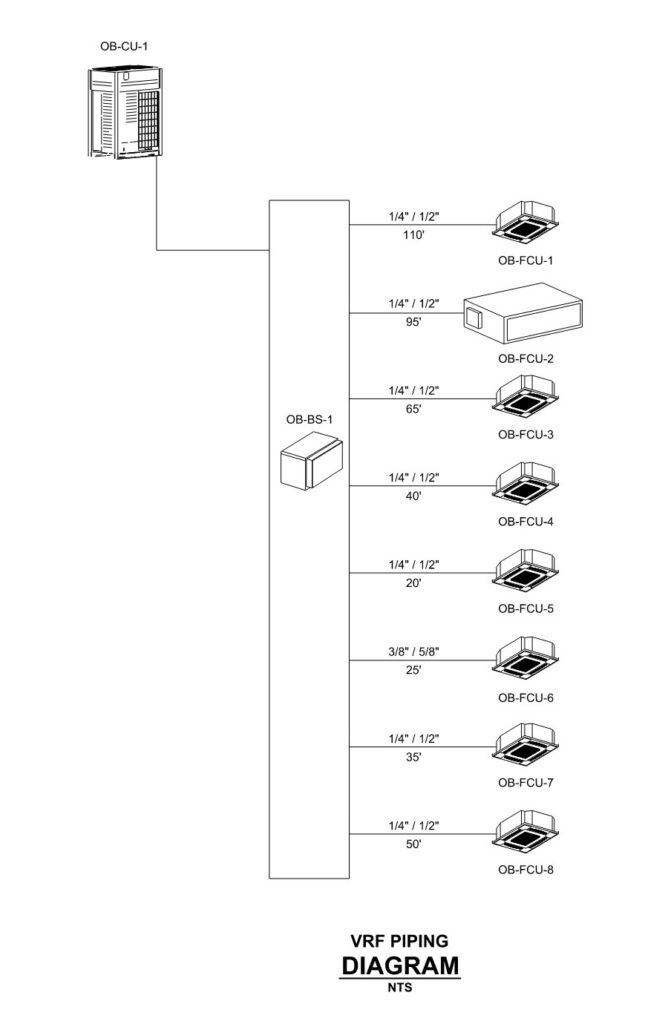
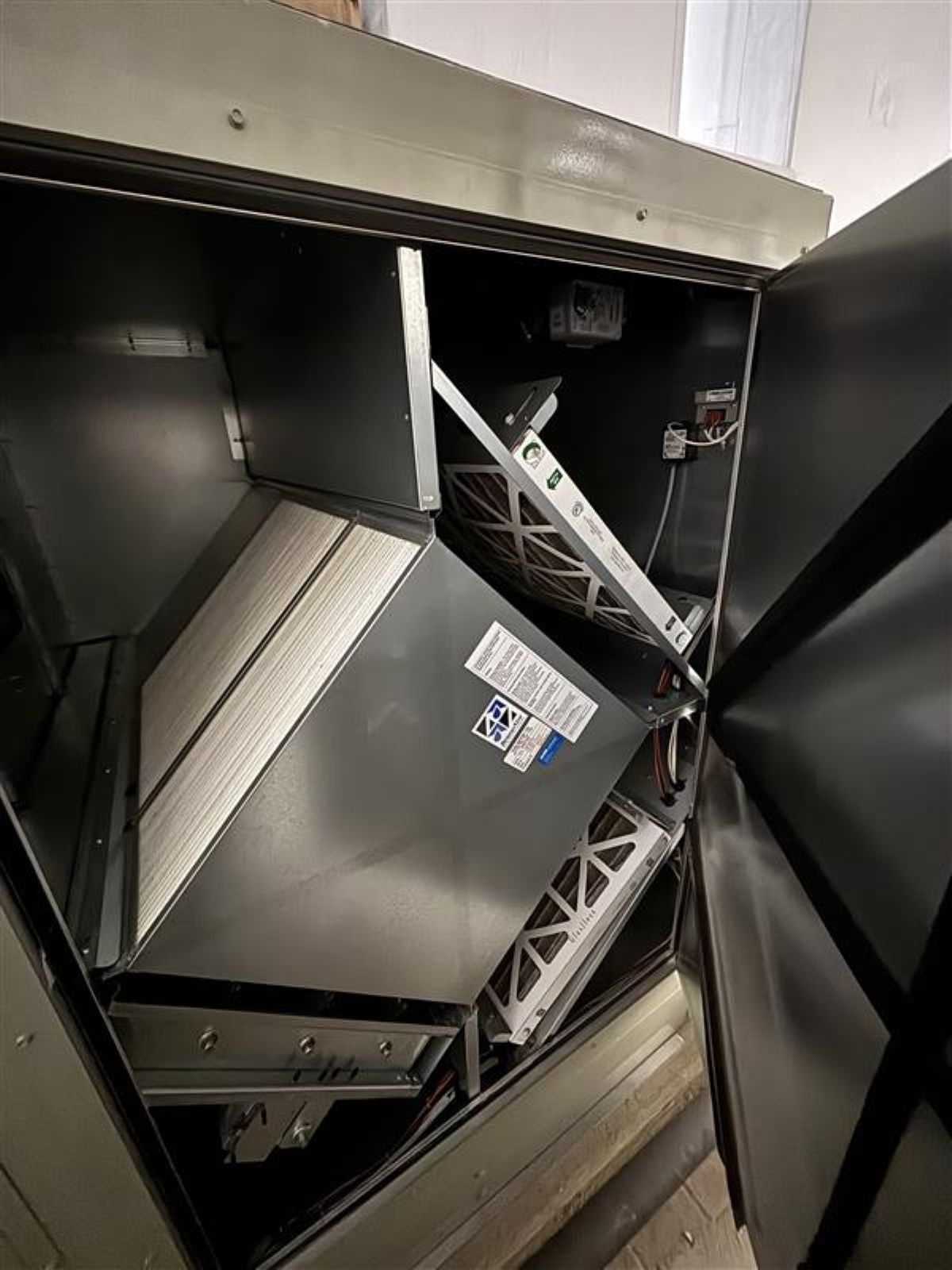
The engineering team was able to achieve more of the heating ventilating and air conditioning (HVAC) focused credits in the operations building because it included more administration spaces. The basis of design included a dedicated outdoor air system (DOAS) with a static-plate energy recovery core that provided the code-required minimum outdoor air ventilation to the spaces and a variable refrigerant flow (VRF) heat recovery system that provided simultaneous space heating and cooling for occupant comfort. These systems complied with the heating efficiency improvements, cooling efficiency improvements and DOAS credit requirements.
Typically, in the treatment support buildings, such as the headworks facility and process building, most of the HVAC systems are driven by the requirements of NFPA 820: Standard for Fire Protection in Wastewater Treatment and Collection Facilities.
Makeup air is provided to a space to maintain an area classification, declassify a space or for odor control. Comfort heating and cooling are not provided to these spaces; makeup air is tempered during the heating season for freeze protection and ventilative cooling is provided during the cooling season. Based on Tables C406.1(1) through (5) in the 2021 IECC, there is not much outside of the heating efficiency improvement credits that HVAC can contribute to regarding the code’s energy efficiency requirements for new buildings.
Despite the multiple energy code and energy regulation requirements of Massachusetts, the project team was able to achieve energy compliance for each building and, in some cases, provide more energy-efficient HVAC systems.