
Proper VFD and motor system design requires selecting compatible drives to ensure reliable, efficient and long-lasting operation.
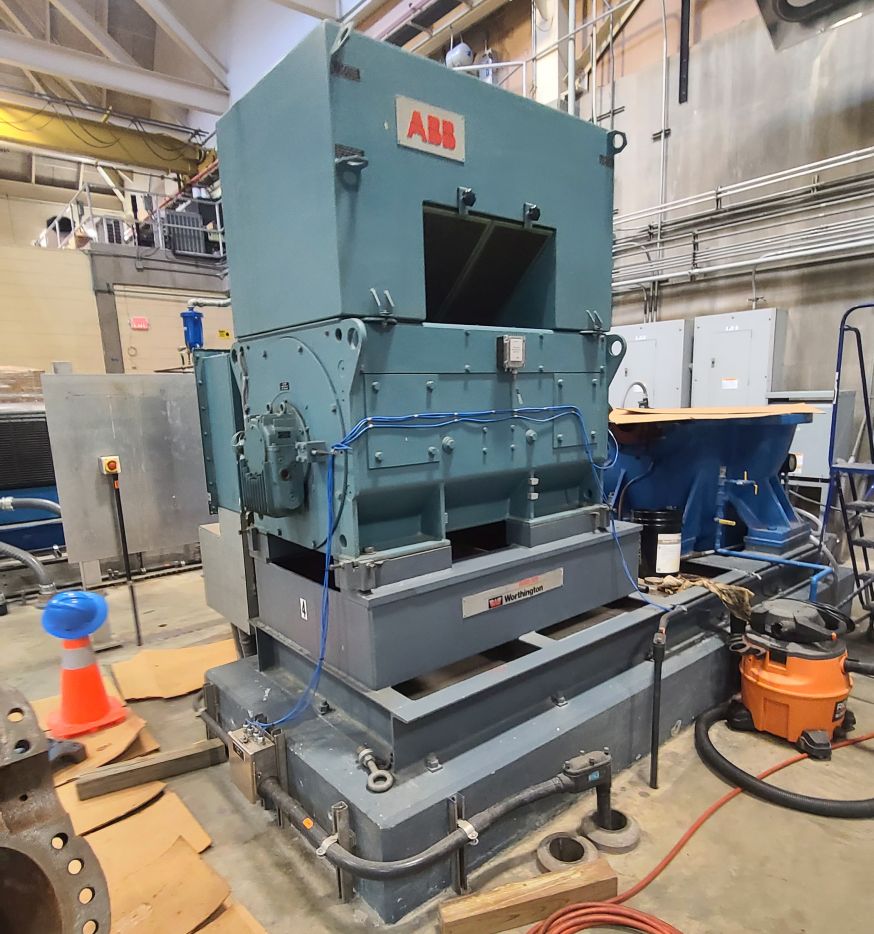
The following real-world examples show things that need to be considered when replacing a motor or variable frequency drive (VFD).
Downsizing a pump and motor
There is an existing 460-volt (V), 1,000 horsepower (hp) pump and motor at a water treatment plant in North Carolina that the owner wants to downsize. The motor full-load amps (FLA) is rated for 1,187 amperes (A). The motor is fed by a 6-pulse VFD with passive harmonic input filter, rated for 1,100 hp, 1,365 A.
It was determined that the pump and motor could be downsized and replaced with 800 hp equipment. The new motor FLA is rated for 975 A. Because the VFD is rated well above this and is still in good condition, the owner wanted to keep the VFD if possible.
After consulting with the VFD manufacturer, it was discovered that VFDs can conservatively be oversized by a 2:1 ratio for most applications. However, simple applications (e.g., pumps and fans) can be oversized as much as 10:1. Because the new motor FLA is well within the 2:1 ratio, it was determined that the existing VFD could be reused to feed the new smaller motor. The VFD will need to be programmed and setmup for the FLA of the new motor to ensure proper operation.
One caveat for the VFD system is that while the VFD itself can be oversized, the passive harmonic filter (PHF) manufacturer specified that PHFs are designed to operate more efficiently and effectively when they are operating closer to their nameplate rating. Because of this, the PHF will be replaced inside the existing VFD enclosure to better match the FLA of the new 800 hp motor. Since the new PHF will be smaller than the existing filter, there will not be any space issues for this modification.
This case study shows that VFDs can be reused when motor sizes are reduced (conservatively at a 2:1 ratio), though it is still recommended to consult with the VFD manufacturer as other items within the VFD enclosure may need to be replaced or modified to ensure proper operation.
Swapping out VFDs
At a water treatment plant in North Carolina, there is a high-service pump station with four pumps. Originally, the motor starters were all constant speed. Over time, the owner decided to install a single VFD that could be used for two different motors with contactors that switched which motor the VFD operated. However, the client wanted to add another VFD; therefore, the engineering team designed a project to keep the existing VFD dedicated for one motor and provide a new VFD for the other motor.
Because the existing motor was not originally designed to operate on a VFD, there was concern about the motor insulation condition. During design, it was decided to specify an output dV/dt filter for the VFD, even though the VFD is within 10 feet of the motor.
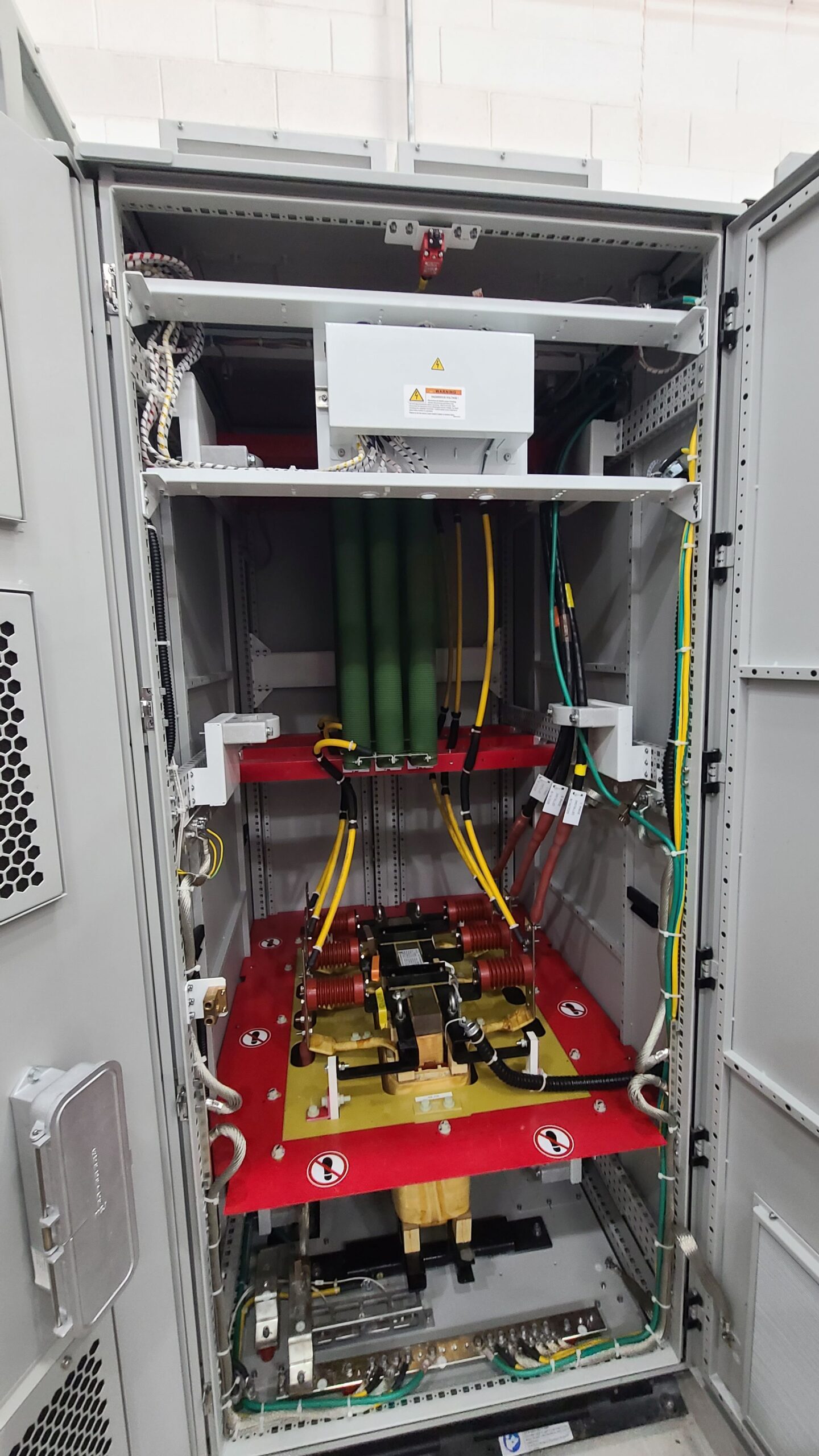
During the construction phase, the VFD manufacturer deemed it unnecessary to provide the output dV/dt filter due to the new VFD’s proximity to the motor. However, as the scope of the project did not include replacing the motor and the team did not want to take the risk of the new VFD damaging the motor insulation, they insisted on the manufacturer providing the output dV/dt filter.
After start-up, it was observed that the motor running on the new VFD operated its respective motor much quieter than the existing VFD/motor setup. This was attributed to the output dV/dt filter on the new VFD reducing the voltage spikes and high-frequency components of the waveform supplied to the motor.