How and where might artificial intelligence (AI) be implemented into MEP engineering design?
Learning objectives
- Understand artificial intelligence (AI) and how it might work for consulting engineers.
- Review ways AI is currently being used in MEP design.
- Explore the future of AI in MEP design.
AI insights
- MEP engineering workflows are evolving from manual calculations toward AI-enabled tools, much as CAD reshaped design practice, with current AI applications focused on pattern recognition, data analysis and task automation rather than replacing professional judgment.
- As AI adoption accelerates across industries, its role in MEP engineering is best understood as a powerful but limited assistant that can improve efficiency, simulation, documentation and code research while requiring careful oversight, data quality controls and human accountability.
Hand calculations and shelves of bound building codes are not yet unfamiliar to modern engineers. But just like the computer-aided design (CAD) programs that were once adopted by mechanical, electrical and plumbing (MEP) and fire protection engineers, the design workflows of these jobs will continue to evolve as artificial intelligence (AI) continues to emerge. It is unclear exactly what the daily work might consist of for an MEP engineer in the future, but we might be able to get a glimpse by looking at what AI can do and how it is currently being applied to the workforce.
AI in MEP engineering

Great potential exists for MEP engineers to start using AI to aid in research, design and data collection. Many resources are available to begin optimizing the design process. This includes implementing AI to help automate repetitive tasks and using it to research and generate data.
However, although AI is a great tool for an engineer, it is important to understand that it cannot replace engineering judgment and all outputs must be checked for accuracy because any information generated cannot be assumed to be true.
Some AI tools are already built into programs that MEP engineers use daily. Some of these include ones that are available across various industries, such as Microsoft Copilot, which can generate meeting minutes or summarize reports for a quick overview. Then there are AI tools with applications more specific to an MEP engineer’s needs, such as plugins for Revit.
Table 2: MEP AI design tools and their use
| Program | Use |
| Autodesk Forma | Generative schematic phase layouts (Beta) |
| CADScribe | Generative CAD figures with text inputs |
| Endra | Generative schematic layouts (Beta) |
| Leo AI | Technical answer engine |
| Project Bernini | Generative model production |
| Spectral Labs (SGS-1) | Generative 3D geometry |
| TestFit | Generative design for MEP coordination |
Table 2: Generative AI models designed around the workflows of MEP engineers. Courtesy: CDM Smith
Generative design is another area where AI can be implemented by the engineer. Outside of the tools an engineer has traditionally used, there are other forms of AI that can be explored. As AI chatbots become commonplace, these are a user-friendly way to begin testing AI’s capabilities.
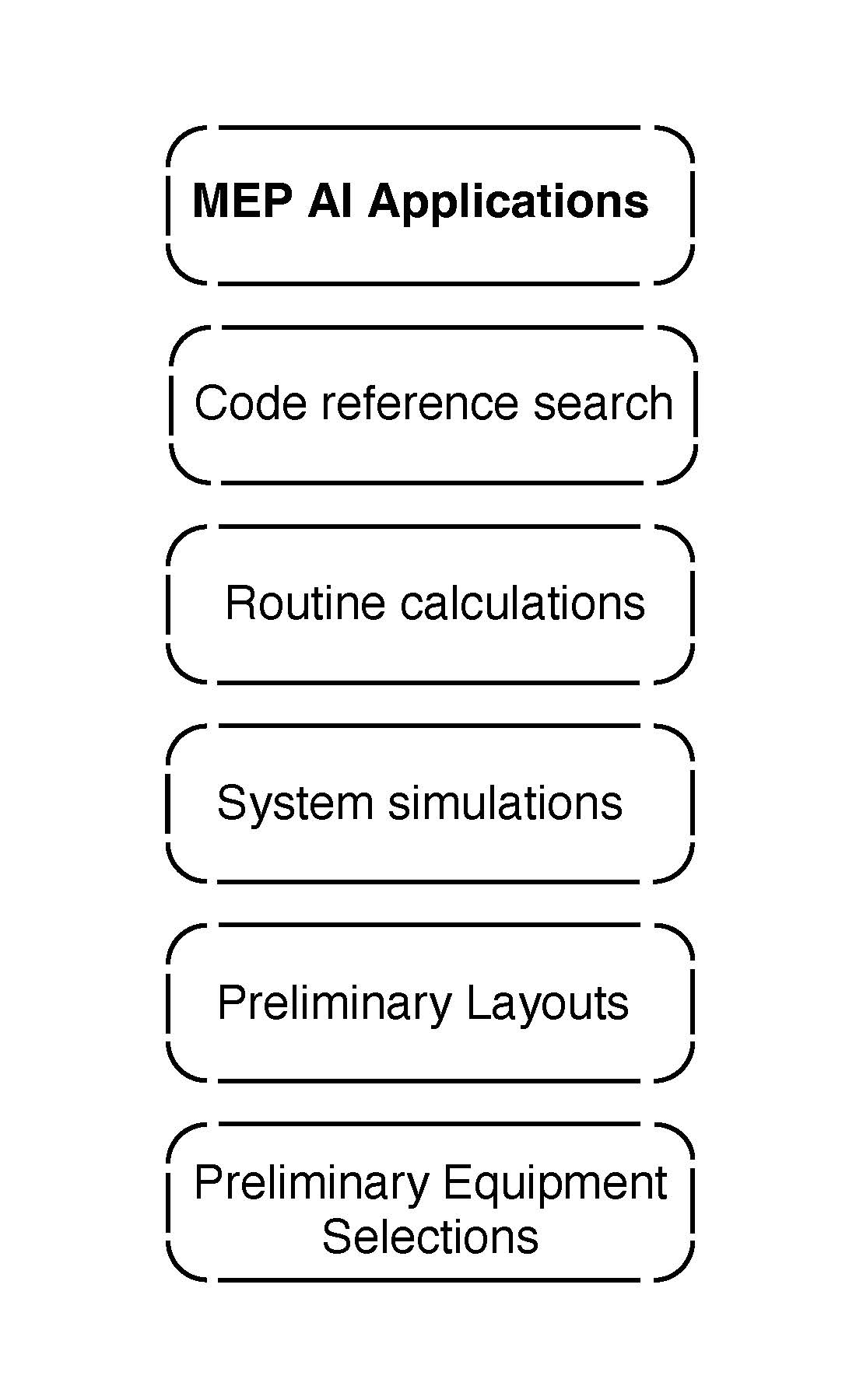
OpenAI’s ChatGPT is a prominent example, as the fastest growing consumer application in history. Note that external AI chatbots should not be used in making design decisions but can aid in research. An example of this is using AI to find code references to save time searching through large volumes of information.
The engineer would first ask the chatbot where to find a specific reference and the chatbot would reply about where in the code the engineer should review it. Next, the engineer would go through their usual means of determining code compliance while saving time searching through documents. Implementations like this could save much of the leg work involved in searching through long documents and standards. However, it is important to realize that large language models are limited by certain licensed material, where codes and other information may be inaccessible to an AI.
Using AI for simulation and documentation
AI’s strongest potential for MEP engineers is the ability to implement simulation-driven design. Engineers can run simulations to determine how a design will perform under real-world conditions. This could mean simulating a heating, ventilation and air conditioning (HVAC) system with real weather conditions or optimizing the routing of pipes and ducts to reduce pressure drop. The engineer could also apply AI to optimize material usage and deliver a better solution regarding both cost and performance.
One of the primary uses of AI is to support documentation, particularly when large volumes of data must be processed. AI technologies can improve both documentation accuracy and efficiency. A scoping review by the National Institutes of Health evaluated the impact AI can have on clinical documentation. They found that using GPT-4 reduced clinician workload, streamlined workflows, maintained a high level of accuracy and showed significant potential to improve doctors’ daily tasks. Noted concerns were the omission of important information and some misinterpretations in the summaries, so review and editing were required on all documentation.
This potential overlaps with MEP engineering and the documentation processes that are required in design and construction. Whether generating meeting minutes, summarizing design decisions in the form of a memo or creating schedules, budgets and cost estimations, AI has the potential to streamline documentation processes and improve accuracy of large data analysis.
AI models such as ChatGPT work well with comma-separated value (CSV) files containing large amounts of data and can both read and write these files that use familiar formatting with which engineers often work. A benefit of using CSV files is that the data can be more easily checked and edited with repetitive formulas better illuminating the flow of data transformation.
Using AI and digital twins
Beyond AI helping to assist an engineer with a more efficient design process, it can also be part of a final product in the form of a digital twin. A digital twin is a virtual representation of a building and its systems, which uses real-time data to reflect its physical counterpart. Combining these two technologies enables a dynamic approach to building controls and allows the systems to react to changes in weather, occupancy and other environmental factors.
Over time, MEP controls have advanced from rudimentary mechanisms to highly advanced climate controls demanded by occupancy or scheduled operation. Combining AI with digital twins could be an avenue to further advance automation of building operations. Though many engineers have yet to see any significant AI integration, one can begin to imagine the ways AI may shape the future of MEP engineering.
A distinct benefit of using AI in conjunction with a digital twin is the ability for building systems to not only operate on historical data but react to real-time conditions and continue to learn from adjusting patterns. This could mean no longer relying on superseded weather data, changes to a building’s occupant schedule or learning the preferences of the occupants such as temperature control. Demand ventilation could be more sophisticated than an on/off switch based on whether a space is occupied; the AI could learn patterns and then fluctuate based on the anticipated number of occupants.
The continued progression and implementation of AI technology will likely be seen more at the consumer level. However, these advancements in building controls are an important aspect of improved building management, as operators continue to look for ways to improve efficiency.
Another potential implementation of AI in MEP engineering is to ensure the code compliance of a design. A familiar site to many MEP engineers is UpCodes, an online platform for viewing building codes. It has partnered with Microsoft and implemented a Copilot search function where code-related questions can be asked and answers that include the associated code references can be obtained. This form of AI integration will continue to improve, with potential for a model to review construction documents and flag potential code violations early in the design. This example also highlights how AI capabilities are woven into existing site structures to reduce the time spent reading through sections of code.
A note of caution
For each item that can be streamlined by AI, however, it raises the question of what is being lost by doing so. Ideally, tasks that hampered the workflow of an engineer or drafter would be handed to an AI program to complete, but the function of AI in MEP design is one that must be monitored closely to avoid letting errors carry through a project from an incorrect AI output. MEP engineers should begin to learn how AI is likely to be implemented in the industry and know how to look for erroneous outputs from these models.
It is crucial that the engineer’s critical thinking skills do not regress and that AI does not become a dependency. The engineer of record is fully responsible for the final design of each project.
Table 1: Popular generative AI programs
| Program | Use |
| ChatGPT | Research, general use |
| Claude | Research, coding |
| Copilot | Microsoft 365 suite collaboration |
| DALL-E | Image production |
| Gemini | Google suite collaboration |
| Grok | Research, general use |
| Litmaps | Literature research |
| NotebookLM | Research, general search folder-organized |
| Perplexity | Research, general use |
| Veo 3 | Video production |
Table 1: Each of the commonly used generative AI models are designed for distinct uses. Courtesy: CDM Smith
Each of the large language models (LLMs) listed in Table 1 was asked to give approximate heating and cooling loads for a 1,000-square-foot wastewater pump station in Boston. Without any further information, the AI models wrote out each step of the calculations, requested specific information to refine the answer and provided suggestions for which equipment would best fit the application.
Table 3 provides the heating and cooling loads that each model calculated. This example, though not a rigorous testing process, demonstrates the ease and confidence with which an LLM can convey an explanation while producing different results using the same information. The engineer plays an invaluable role regarding checks and balances for every input into a computer, search engine and now AI model.
Table 3: Results of MEP design by AI model
| AI model | Heating (MBH) | Cooling (MBH) |
| ChatGPT | 30 to 50 | 20 to 25 |
| Claude | 75 | 153 |
| Copilot | 35 to 50 | 18 to 24 |
| Gemini | 45 to 90 | 24 to 60 |
| Grok | 80 to 150 | 20 to 50 |
| Perplexity | 25 to 40 | 12 to 24 |
Table 3: Each AI model is tested with the same question to approximate heating and cooling loads. Courtesy: CDM Smith
Limitations of AI
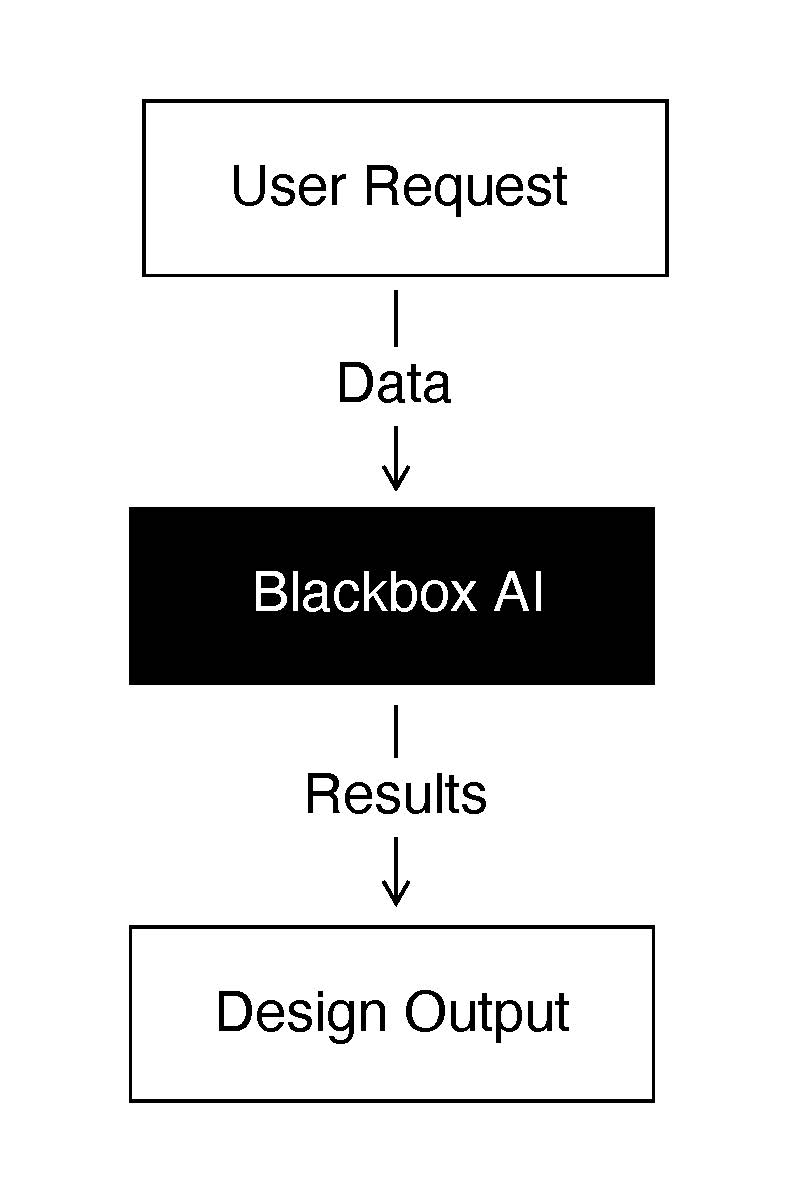
AI faces several challenges in becoming standard use in the design of MEP systems. One major hurdle is trustworthiness of the outputs. Many AI models are a black box, meaning the internal workings are a mystery to users. If an engineer were to put an input into an AI model, they would get an output without being able to see any of the logical flows that the AI had used. This means the sources used by the model and how these sources are weighed to reach its conclusion are unknown to the user.
This becomes an issue when it is difficult to confirm the accuracy of the output. Often, the only readout available to those designing AI models are the connection strengths between each successive node in the neural network, which does little to illuminate the internal “logic” of the model.
For engineers, responsibility for design decisions cannot be deferred to an AI model, so they must carefully consider what information they are gathering through the model and individually confirm all outputs. Professional engineer licensees should refer to local and state regulations for the definitions and requirements of a licensee to ensure all stamped work has been reviewed by the stamping engineer of record, regardless of AI use.
Another consideration when using AI is data security. It is important for users to understand that the information input into any model will be used by that model to improve its own programming language. Therefore, an engineer should not input any proprietary or private data into an AI system.
As detailed as neural network generative AI models are, there is an enormous amount of data needed to provide enough nodes within a model to determine the appropriate response to a query. However, sufficient data repositories are expensive and difficult to acquire because of the high value given to big data in the modern market.
Further, it is both the quantity and the quality of the data provided to the model that decides whether a user will receive an accurate response. In terms of an AI model analyzing a photo, any type of “noise” included in the image file could entirely throw off the neural network pathways taken by the model, resulting in so-called “hallucinating” answers created by generative models.
At this point, AI-generative models are generally sensitive to inaccuracies in the information they are given and dependent on human-made corrections to the algorithms they have designed. Those algorithms comb through a data set looking for the answer that has the highest correlation between the information identified in the request and the data to which it has access.
Future of AI in MEP design
Generative LLMs are the face of AI and though these models are innovative, there are many competing theories about how best to approach the development of AI and whether human-like intelligence is possible at all within a computer.
While development of these programs continues, MEP engineers can review the resources available to them for simplifying numerous tasks. The current AI programs cannot replicate the MEP design flow independently and do not functionally approach the capabilities necessary of a drafter or engineer. While there are many useful aspects to the programs available, limited cross-platform capability may stifle the incorporation of AI tools into an engineer’s workflow at this point. There is no singular AI program capable of everything necessary for MEP design; each model is trained toward a specific purpose and should not be valued equally for every task.
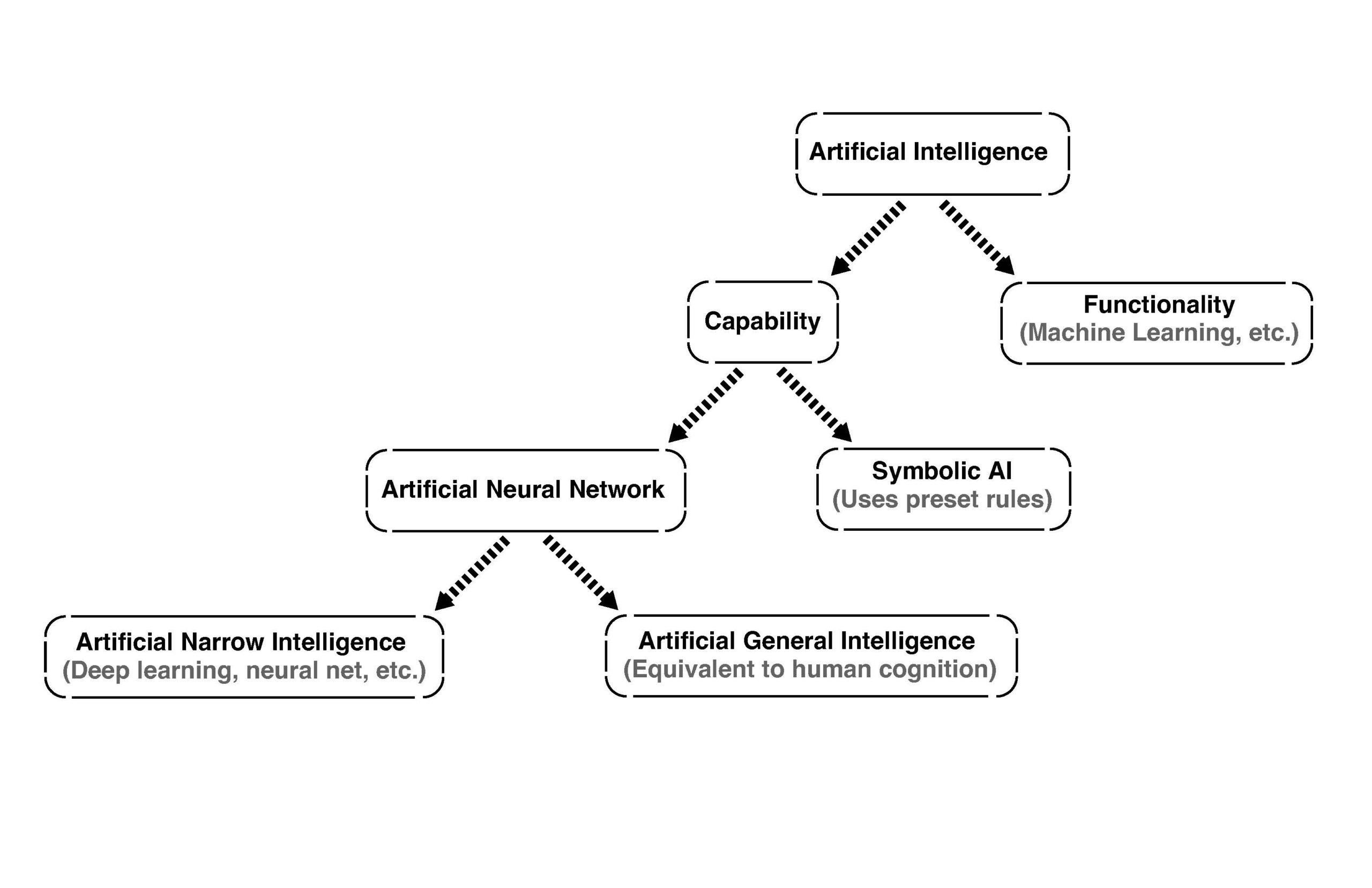
Even in this time of rapid AI advancement, each user can explore the definitions and purposes of buzzwords surrounding AI to better understand the quickly changing conditions. Consider AI a nondescript term encompassing any number of theories attempting to define the nature of intelligence through complex algorithms.
For now, though, these are only theories and an expansive list of sites taking part in an AI wave that can potentially remove unwanted repetitive work for MEP designers. HVAC, electrical, fire protection and plumbing engineers can consider how a problem is approached through the lens of the processing power of a computer and begin to see the next generation of MEP design.
A little history: Understand how AI first developed and grew
Artificial intelligence (AI), driven by rapid advances in neural networks and large language models, is increasingly reshaping engineering by streamlining design tasks.
AI is a technology in which computers simulate human intelligence to complete tasks, often through pattern recognition, prediction and language understanding. These models can learn from users, recognize patterns and generate original content based on user prompts.
Though AI is not a new idea, originally born out of a Dartmouth University summer research project in 1956, there has been a rapid increase in the accessibility and frequency in which AI is being used. It seems inevitable that AI will permeate all sectors of business and there appears to be endless potential for ways it can be implemented into MEP engineering to aid in the efficiency and accuracy of design.
From a conference in 1956, engineers tailored the field of what was then called cybernetics to the modern terminology of AI. Though there have been many meanings of AI since then, recent and rapid advancements in the technology have occurred along with societal shifts in the way we think about AI and our relationship to it as a tool. AI has already begun to impact the roles available across a wide variety of industries, both altering the job market and streamlining tedious work. It is becoming increasingly important to understand what this could mean for the day-to-day functions of MEP engineers and for engineers to know about the tools at their disposal.
As the innovators of AI models further understand the capabilities of their own AI programs, users may find it difficult to keep up with these rapid improvements, especially as the analytical power of AI models approach that of the human mind.
For example, one can see remarkable advancements between ChatGPT versions over the course of just the past three years as the program has continued to be improved exponentially. Therefore, the information presented is a snapshot of this current understanding and will be superseded in time.
Neural network type AI models are the most common approach to generative AI, which is also referred to by terms such as deep learning, deep net or neural net. Each of these terms represent the model looking for successive connections between nodes (analogous to neurons in the brain, hence “neural networks”) and adjusting parameters to eventually determine the most likely answer. Another significant term and advancement in this technology is the prevalence of large language models that allow a constructive, human-like interaction with the user.
Successful neural network AI models require three key factors: high-quality data, computational infrastructure and improved algorithms.
Each of the generative models listed in the tables represent different use cases and AI engineers’ opinions on how to best organize and use data through machine learning.