Advertisement
FREE subscription
Email
Print
Reprint
Learn RSS

Packaged Systems Produce

By James M. Delain, E.I.T., Graef, Anhalt, Schloemer and Associates, Milwaukee -- Consulting-Specifying Engineer, 11/1/2003

The packaged HVAC system has been around since mechanical engineers started offering forced air heating and cooling to offices, merchants, industries and residences.

In many design situations, engineers have become very dependent upon HVAC manufacturers to provide them with a range of complete packaged HVAC systems to fit various applications. There are numerous HVAC manufacturers who offer specific packaged systems that will fit many specific client needs. There are also many manufacturers who cover a wide range of sizes, quality levels and types of systems.

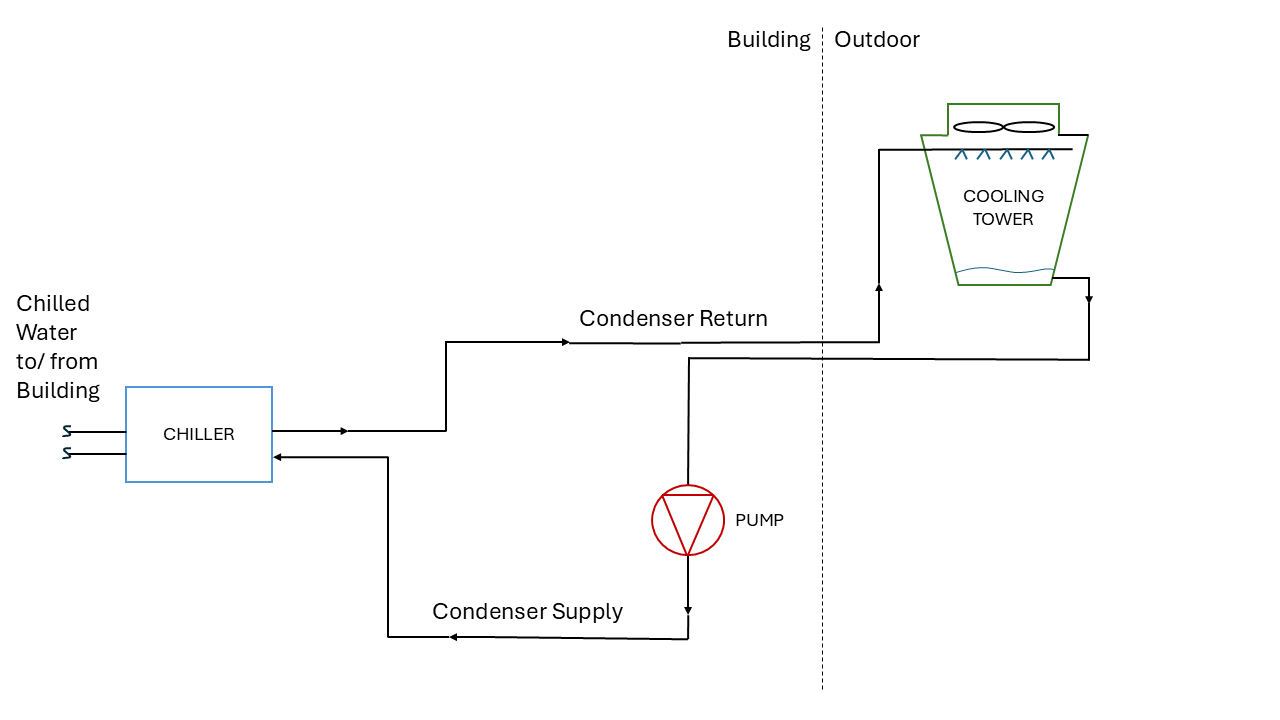
The definition of a packaged system may vary slightly by manufacturer and engineer. In general, a packaged system is a pre-assembled piece of HVAC equipment that is constructed using two or more individual components to operate as one complete system. This definition covers a broad spectrum of equipment. Packaged units include, but are not limited to, chillers, unit heaters, rooftop units, custom air handlers and many VAV applications.

The benefits of a packaged HVAC system are first cost of equipment and installation. Imagine putting together an air-conditioning system from scratch for a two-story 35,000-sq.-ft. building. How would all the pieces fit together? You would need a mechanical room to contain them, which is becoming more of a rarity these days, and the labor to connect each component would be very high. So, off-the-shelf equipment becomes a time and money saver for all involved parties. The packaged unit generally comes factory-tested, and delivery times are usually reasonable and are offered in sizes for almost every application.

Trends in HVAC manufacturing and design are always based on cost effectiveness and efficiency. Lighter and smaller equipment is the future of packaged equipment. Additionally, heat recovery is making a comeback due to better materials and improved manufacturing techniques. Heat recovery can be packaged with larger rooftop units such as pool dehumidification. The heat recovery components are becoming traditional in that the exhaust air is used to preheat or precool the outside air, thereby reducing operating costs and preventing moisture damage to the structure.

Special applications will always require unconventional design and will include individual components assembled to operate as a single HVAC system. The majority of work in the consulting business comes in the form of applications that can be properly served with a packaged HVAC system. This is usually driven by first cost, convenience and timeliness of the packaged systems available. Design time is also a factor, and the costs associated with designing a complex misapplied system can ruin a project.

Selecting a pre-assembled, properly-applied packaged HVAC system saves everyone time and money. This is why the packaged HVAC system has been used since the dawn of air conditioning and will also be the way of the future.


Packaged system benefits

  • Equipment first-cost and installation savings
  • Multiple system types, sizes and manufacturers to choose from
  • Factory-tested
  • Adherence to trend of lighter and smaller equipment
Email
Print
Reprint
Learn RSS

Talkback

We would love your feedback!

Post a comment

» VIEW ALL TALKBACK THREADS

Related Content

Related Content


By This Author

There are no other articles written by this author.


SPONSORED LINKS

 
Advertisement
Sponsored Links

More Content

  • Blogs

Blogs


Sorry, no blogs are active for this topic.

» VIEW ALL BLOGS RSS

Advertisements


NEWSLETTERS
Plug in and get the latest CSE news, trends and industry updates delivered directly to your inbox!

Green Scene
CSE Codes & Standards
CSE NewsWatch
CSE Fire and Life Safety Solutions
CSE Business of Engineering Management Report
CSE Electrical Solutions
CSE HVAC Solutions
Pure Power
CSE Product Showcase
©2008 Reed Business Information, a division of Reed Elsevier Inc. All rights reserved.
Use of this Web site is subject to its Terms of Use | Privacy Policy
Please visit these other Reed Business sites